Downsizing in Barton Hills? Start With a Clear Plan
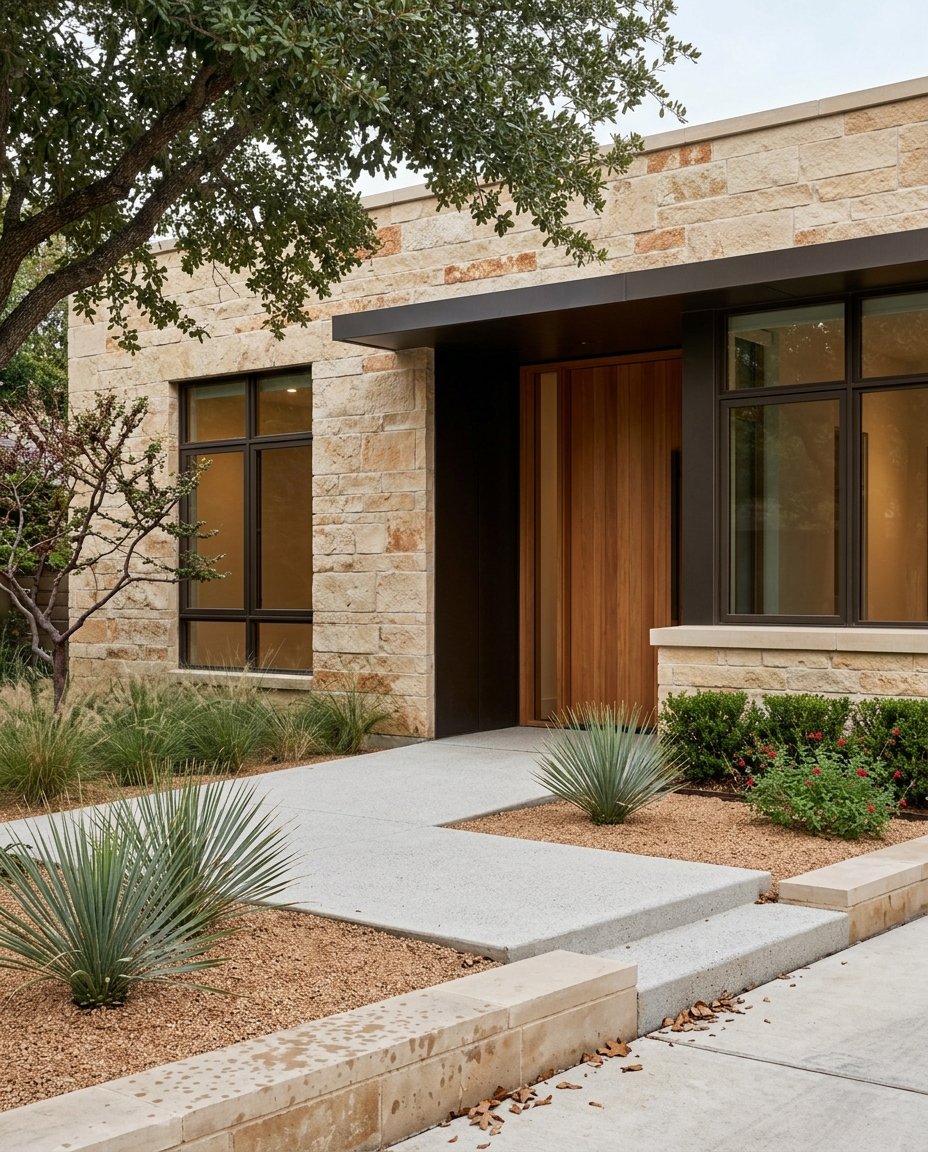
Thinking about a smaller home in Barton Hills can feel surprisingly big. You may love the neighborhood, the trees, and the easy access to central Austin, but not the upkeep, extra rooms, or daily maintenance that come with a larger home. If you are weighing whether to stay nearby, shift to a condo, or simplify your next move without giving up the lifestyle you value, this guide will help you think through the decision clearly. Let’s dive in.
Barton Hills has the kind of staying power that makes downsizing more emotional than many owners expect. The neighborhood association describes it as a mature, cohesive part of Austin, and much of the area dates back to the mid-1950s. That history helps explain why so many owners feel rooted here.
For many homeowners, the real value is not just the house. It is the location. Barton Hills offers close access to the Barton Creek Greenbelt trailheads, plus nearby destinations like Zilker Metropolitan Park and the Ann and Roy Butler Hike-and-Bike Trail.
That matters when you downsize. A smaller home does not have to mean a smaller lifestyle. In Barton Hills, you may be able to trade square footage for convenience, walkability to outdoor recreation, and continued access to central Austin.
Most downsizing moves in Barton Hills fall into two broad paths. You can stay in a smaller single-family home, or you can move into a condo or townhome with fewer exterior responsibilities.
Both options can work well, but they serve different goals. If you still want privacy and a detached home feel, a smaller house may be the better fit. If your priority is less yard work and a more lock-and-leave setup, an attached home may be worth a closer look.
In April 2026, Realtor.com reported 56 homes for sale in Barton Hills, with a median listing price of $1.52 million and a median 82 days on market. That points to a high-value neighborhood where buyers still have options and sellers still need a thoughtful strategy.
The same market view also highlighted condo communities such as Akoya Condominiums and Owen Park Condominiums. For some downsizers, those kinds of properties offer a practical way to stay close to the area while reducing maintenance.
This is often the first real fork in the road. Many longtime owners want to remain close to familiar streets, favorite trails, and the rhythm of central Austin. Others decide that a nearby area offers a better mix of size, convenience, and price.
The broader Barton Hills search area can also include nearby submarkets such as South Lawn, Bartons Bluff-Spyglass, West Park, and Downtown Austin. Expanding your search slightly can open up more smaller-footprint homes and attached options without taking you far from the lifestyle you know.
That can be especially helpful if your goal is to reduce maintenance while keeping access to Barton Creek, Zilker, and downtown. In many cases, downsizing is less about leaving the area and more about refining how you live in it.
Before you think about listing your current home, get specific about what you want next. Downsizing works best when you define the destination first.
Ask yourself what would make daily life easier. You may want fewer stairs, less yard upkeep, improved accessibility, or a true lock-and-leave property. These details shape everything from budget to timing.
This step also helps you avoid a common mistake. If you focus only on what your current home might sell for, you can miss what matters most, which is whether your next home actually fits the life you want.
The broader Austin market gives useful context for Barton Hills sellers. Unlock MLS reported 12,508 active listings at the end of May 2026, with 4.7 months of inventory, a $440,000 median residential price, and pending sales up 14.3% year over year.
Earlier in spring 2026, Unlock MLS reported 5.5 months of inventory and a March median price of $426,220. Taken together, those figures suggest an active market, but not one where presentation and pricing can be treated as an afterthought.
For Barton Hills homeowners, that means strategy matters. Even in a highly desirable neighborhood, buyers may take more time to compare options. A polished presentation and realistic pricing plan can make a meaningful difference.
One of the biggest downsizing questions is simple: how much money will you actually have to work with after the sale? That answer depends on more than your list price.
Your planning should center on net proceeds, meaning the amount left after selling costs and any tax considerations. That number helps you decide whether your next home should be purchased outright, financed, or timed carefully with the sale of your current property.
The IRS says sellers of a main home may exclude up to $250,000 of gain, or up to $500,000 for a married couple filing jointly, if ownership and use tests are met. For longtime Barton Hills owners with significant equity, that makes early planning especially important.
There is no one-size-fits-all answer here. The right sequence depends on your finances, risk tolerance, and how clear you are about your next home.
Selling first can give you a firm picture of your available equity and reduce financial overlap. Buying first may offer more control if the right replacement property is hard to find, but it can also create added pressure if your current home has not sold yet.
Some homeowners also consider a temporary housing plan. That extra step can create flexibility and prevent you from rushing into the wrong purchase simply to align two closings.
In a neighborhood of established homes, preparation matters. Barton Hills has strong location appeal, but that does not mean every home can rely on location alone.
With a median 82 days on market in April 2026 and meaningful inventory across the Austin area, many sellers benefit from decluttering, selective repairs, and sharp presentation. The goal is not to over-improve. It is to make your home feel well cared for, functional, and easy for buyers to understand.
Older homes often raise practical pre-listing questions. You may need to decide which repairs are worth doing, which updates can be skipped, and how much effort makes sense based on your timing and goals.
If you are just starting the process, this framework can help:
This kind of planning can reduce stress and help you move with more confidence. It also makes it easier to spot tradeoffs early, before timelines become tight.
Every downsizing move involves choices. You may gain convenience, lower maintenance, and a simpler daily routine, but you may also give up storage, yard space, or room for guests.
That is why it helps to decide in advance which tradeoffs feel reasonable. For many Barton Hills owners, staying close to trails, parks, and central Austin is worth more than keeping every extra bedroom or a large lot.
When you look at downsizing through that lens, the decision often becomes clearer. It stops being only about reducing space and starts being about protecting the parts of your lifestyle that matter most.
If you are considering a downsize in Barton Hills, the right guidance can help you weigh timing, equity, preparation, and next-step options with more clarity. To plan your move with a high-touch Austin team, connect with Cord Shiflet.
Stay up to date on the latest real estate trends.

Relocation

Relocation
Cord prizes trust. His clients trust him to value and protect their real estate investments. And how’s this for a bonus? He is fun to work with because he loves his work. Whether representing an A-list celebrity or Austin executive, Cord personifies Texas’ entrepreneurial spirit: Play hard. Have fun. Work harder.
CORD SHIFLET
EMAIL US: [email protected]
CALL US: (512) 751-2673
3825 Lake Austin Blvd., #501 Austin, TX 78703