Preparing A Historic Hyde Park Home For Today’s Buyers
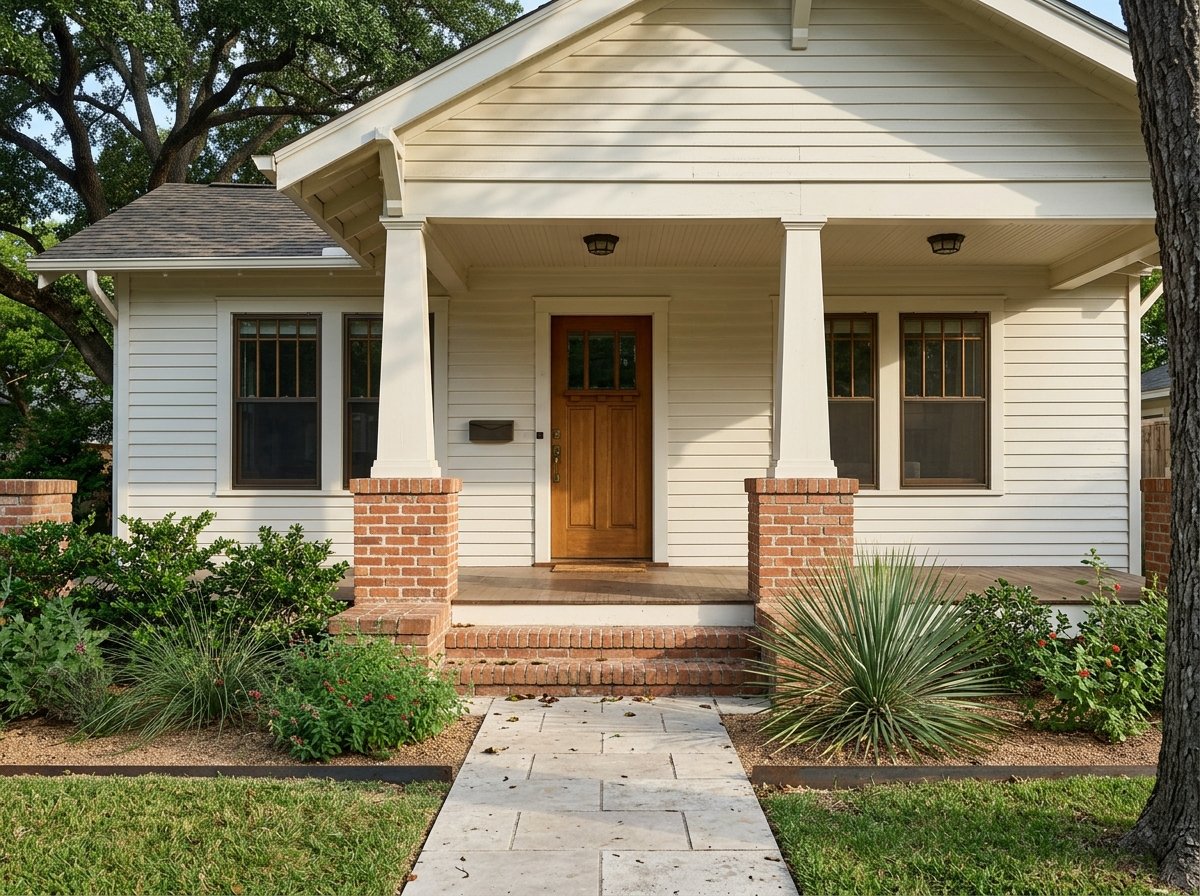
If you own a historic home in Hyde Park, getting it ready for today’s buyers can feel like a balancing act. You want the home to feel polished, comfortable, and market-ready without stripping away the details that make it special in the first place. The good news is that in Hyde Park, thoughtful preparation often means preserving character, making smart updates, and presenting the home with clarity and confidence. Let’s dive in.
Hyde Park is one of Austin’s oldest streetcar suburbs, with roots going back to 1891. The local historic district covers about 186 acres and includes hundreds of properties that help define the neighborhood’s long architectural story.
That story is not limited to one home style. The district’s period of significance runs from 1892 to 1960, and the area includes late 19th-century Queen Anne and Classical Revival homes, along with transitional houses and bungalows from the 20th century. For you as a seller, that means buyers are often responding to layered historic character rather than a single design trend.
In practical terms, your home’s appeal is tied to authenticity. Historic value is shaped by integrity, which includes features like design, materials, workmanship, setting, and overall feeling. That makes preservation-minded preparation especially important when you are planning a sale.
One of the most helpful things for sellers to know is that you are not required to restore a Hyde Park home to some idealized historic version of itself. The City of Austin is clear that owners are not required to return a building to a historic appearance.
That gives you room to prepare your property in a way that feels current and functional. The goal is not to turn your house into a museum. The goal is to show buyers that the home has been cared for in a way that respects its historic character.
This is where the right strategy matters. Buyers in Hyde Park are often looking for more than square footage. They are buying craftsmanship, streetscape presence, and the confidence that the property has been maintained with care.
Before you make pre-listing changes, it helps to understand what typically triggers historic review in Hyde Park. In Austin’s local historic districts, exterior alterations, additions, permanent site work, sign installation, and new construction generally require a Certificate of Appropriateness before a building permit is issued.
At the same time, routine maintenance, in-kind repairs, and interior remodeling generally do not require historic review. That distinction can help you plan improvements that support marketability without creating unnecessary delays before listing.
There is also flexibility in presentation. Hyde Park standards exclude paint color from the design standards, and interiors are generally outside the historic review process. That means you often have more freedom to refresh interior finishes and staging than many sellers expect.
In Hyde Park, the front facade carries a lot of weight. Local design standards emphasize retaining the historic facade and preserving the elements that shape the home’s street presence.
If you are deciding where to spend time and money, start with what a buyer sees first from the street and in listing photos. Clean, repair, and highlight original exterior details instead of covering them with overly modern alterations.
Original windows are among the most important facade features in Hyde Park. The city notes that many contributing structures still retain old-growth wood windows and recommends repair or rehabilitation first.
That approach aligns with broader preservation guidance, which says deteriorated historic features should be repaired rather than replaced when possible. If replacement becomes necessary, the new windows should match the original design and visual qualities.
You can also improve comfort without losing character. Weatherstripping, storm windows, glazing changes, and clear interior film can help energy performance while preserving the look of the historic window.
Front porches are integral to Hyde Park’s historic character. The design standards advise against enclosing ground-floor front porches, which means these spaces should be treated as visual assets when you prepare the home for sale.
The same is true for the roof. Original roof profiles and front rooflines are part of the home’s identity, so repairs should support those features rather than reshape them.
For marketing, these details matter. A well-kept porch, an intact dormer, or a roofline with strong historic presence can help your listing stand out to buyers who value authenticity.
Because interiors generally do not require historic review, you often have more flexibility inside the home. This is where you can make the property feel easier for today’s buyer to imagine living in.
That does not mean removing every older detail. It means creating a clean, comfortable, functional setting that supports the home’s original architecture instead of fighting it.
A few smart interior priorities often include:
The most effective presentation usually lets the architecture lead. Buyers should notice the ceiling heights, millwork, windows, and room flow, not feel distracted by clutter or design choices that compete with the home itself.
One common mistake in historic-home preparation is trying too hard to make the house look old in a way it never was. Hyde Park standards discourage false historicism, so new details should not imitate a period the house did not originally have.
That matters both for renovations and for presentation. If your home is a bungalow, transitional house, or Classical Revival property, it is usually better to honor its actual style than to add decorative features that feel forced.
Today’s buyers tend to respond well to homes that feel honest. A house that shows genuine age, thoughtful upkeep, and compatible updates often reads as more valuable than one that feels over-reworked.
Historic homes do not have to feel frozen in time. Preservation guidance notes that successful rehabilitation balances energy savings with protection of historic materials and features.
Historic buildings may also have built-in performance advantages from their materials, orientation, design, and operable windows. That means your prep strategy can include comfort-minded improvements without treating the house as a teardown or total redesign project.
As you get ready to list, consider whether buyers will understand how the home lives day to day. If there are thoughtful improvements that make the property more comfortable while respecting historic materials, those details can strengthen your story.
For a Hyde Park listing, documentation can add real value. Austin preservation resources point owners to tools like the Historic Property Viewfinder, Austin History Center digital collections, and Texas Digital Sanborn Maps for property research.
This creates an opportunity to market the home with more depth. Old photos, permit history, maps, and a simple explanation of the home’s place in Hyde Park’s development can help buyers connect with the property on a different level.
A strong documentation package can also help answer practical buyer questions early. For example, buyers often want to know whether a property is contributing, noncontributing, or separately landmarked because that may affect review requirements and possible incentives.
Historic-home buyers tend to come in with specific concerns. If you can answer them clearly, your listing may feel more trustworthy and easier to evaluate.
Key questions often include:
For contributing properties, buyers may also want to know about Austin’s local rehabilitation tax abatement program. The city says qualifying contributing properties may receive an abatement of 100% of the city property taxes on the added value created by the rehabilitation for 7 to 10 years, subject to program rules.
It is also useful to frame incentive questions accurately. State and federal rehabilitation credits generally apply to income-producing historic properties, not owner-occupied residential homes.
If you are preparing a historic Hyde Park home for sale, this is a practical place to start:
These steps support both presentation and credibility. They show buyers that the home has been treated as a meaningful property, not just a listing to be polished quickly.
Selling a historic Hyde Park home is often about telling the right story as much as making the right updates. Buyers are not simply comparing bedrooms and bathrooms. They are weighing authenticity, livability, and the long-term value of a home that contributes to one of Austin’s most established historic districts.
When your preparation reflects stewardship, your home can stand out for the right reasons. It signals that the property has been cared for thoughtfully, updated with restraint, and presented in a way that respects both its history and the expectations of today’s buyer.
If you are considering selling a historic home in Hyde Park, working with a team that understands presentation, positioning, and Austin’s high-end market can make a meaningful difference. To plan your next move, connect with Cord Shiflet.
Stay up to date on the latest real estate trends.
Relocation
Relocation
Cord prizes trust. His clients trust him to value and protect their real estate investments. And how’s this for a bonus? He is fun to work with because he loves his work. Whether representing an A-list celebrity or Austin executive, Cord personifies Texas’ entrepreneurial spirit: Play hard. Have fun. Work harder.
CORD SHIFLET
EMAIL US: [email protected]
CALL US: (512) 751-2673
3825 Lake Austin Blvd., #501 Austin, TX 78703