What It Really Takes To Live In Downtown Austin Luxury
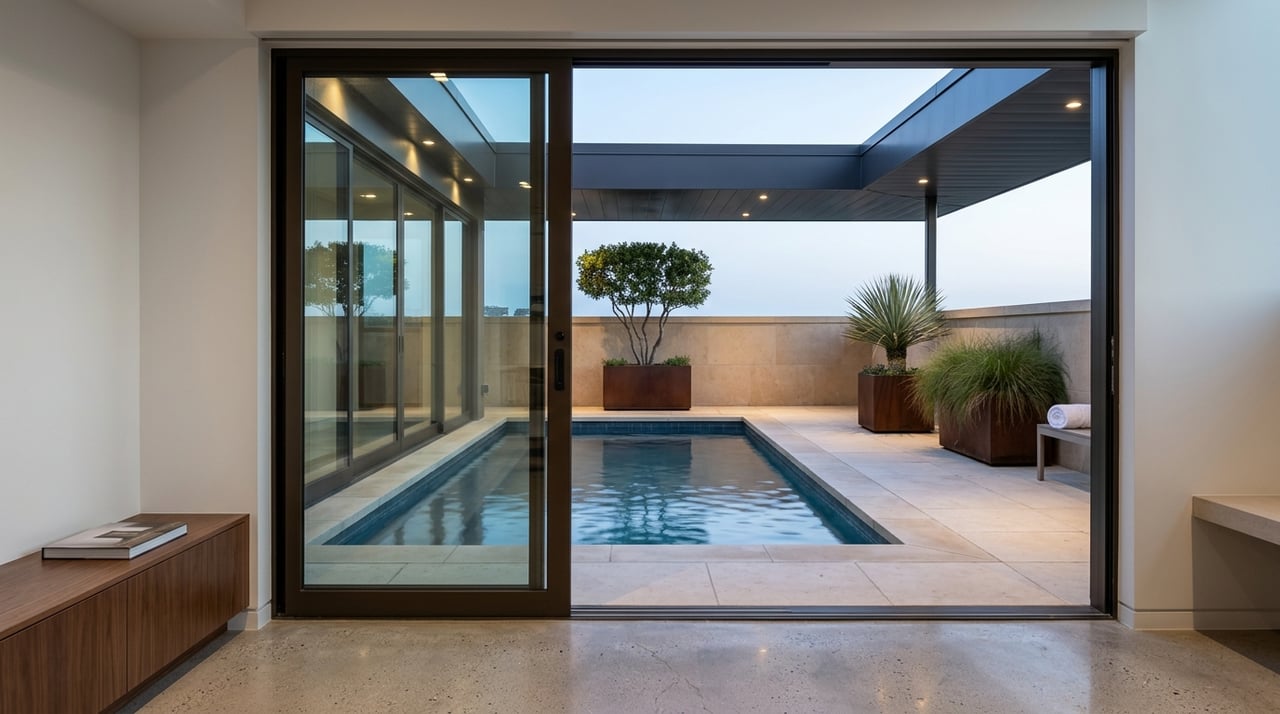
If downtown Austin has ever tempted you with skyline views, walkable nights out, and easy access to Lady Bird Lake, you are not alone. For many buyers, the draw is not just the home itself. It is the promise of a more streamlined lifestyle with services, amenities, and a true lock-and-leave setup. The real question is what that lifestyle actually costs month to month, and what tradeoffs come with it. Let’s take a closer look.
Downtown Austin offers a mix of daily convenience and city energy that is hard to replicate in other parts of town. The Downtown Austin Alliance describes the area as a blend of music, restaurants, bars, shops, and parks, while the City of Austin notes that the Ann and Roy Butler Hike-and-Bike Trail runs through the heart of the city past skyscrapers, neighborhoods, ball fields, and cultural attractions.
That outdoor access is a real part of the downtown lifestyle. According to The Trail Conservancy, the 10-mile trail welcomes nearly 5 million annual visitors. If you want to live near the lake, step out for a run, or keep your routine centered around walkability, downtown checks a lot of boxes.
For many luxury buyers, the appeal also comes from convenience. Under Texas condominium law, common elements are generally maintained by the association, while owners remain responsible for their own units. In practical terms, that often means less exterior and site maintenance on your plate compared with a detached home.
When you buy a luxury condo downtown, your monthly housing cost usually extends far beyond the mortgage payment. You also need to plan for HOA dues, property taxes, insurance, utilities, and sometimes parking. In many buildings, a meaningful share of the carrying cost is concentrated into the HOA fee.
Texas condominium law requires assessments to be based on an annual budget, and associations may accumulate reserves for anticipated expenses. That matters because your monthly dues are not just paying for today’s services. They may also support future repairs, maintenance, and long-term building needs.
One of the biggest surprises for buyers is how much HOA dues can differ from one building to another, and even from one unit to another in the same tower. Public listing examples in downtown Austin show just how broad that range can be.
At Milago, 54 Rainey St #416 lists HOA dues of $657 per month and highlights amenities such as a rooftop terrace with a pool, hot tub, BBQ grills, fitness center, club room, lounge, patio, and 24/7 concierge service. At 300 Bowie St #2301, dues are listed at $763 per month, with a resort-style pool, on-site gym, communal work space, and 24/7 concierge.
At 44 East Ave, current listings show fees ranging from $436 per month to $1,665 per month. One listing notes that dues include common area maintenance, landscaping, grounds maintenance, and sewer, while another says nearly all utilities are covered except electricity and WiFi, and includes two full-size parking spaces.
At the high end, 70 Rainey St #3203 lists HOA dues of $2,902.57 per month. That kind of spread makes one thing clear: your actual monthly cost depends on much more than the building name.
Several factors can affect monthly dues in a downtown luxury tower:
A lower HOA fee does not always mean a lower total cost of ownership. In some buildings, more expenses are simply billed separately.
Downtown luxury living can simplify your monthly routine, but it does not eliminate costs. In some towers, HOA dues include services that would otherwise come as separate bills. For example, the 300 Bowie listing says dues include gas cooking, hot water, water, sewer, valet trash four nights a week, and recycling.
One 44 East Ave listing says dues cover nearly all utilities except electricity and WiFi. That can reduce the number of bills you manage each month, but it is still part of your carrying cost. The expense has just been shifted into the association fee.
Parking deserves special attention too. The City of Austin says the City Hall Garage offers monthly contract parking at $200 per month, but it also notes that the city does not manage private off-street parking lots and garages. In a condo building, parking is usually a building-level issue, not a citywide standard.
That means you should confirm whether parking spaces are deeded, assigned, leased, or included in the HOA structure. In downtown Austin, parking is not a minor detail. It is part of the ownership equation.
Insurance in a downtown condo is not the same as insurance on a detached home. The Texas Department of Insurance says condo insurance usually covers your contents, fixtures, and personal belongings. At the same time, Texas condominium law requires the association to maintain property and liability insurance on the common elements.
This split matters because the association’s master policy may not fully cover owner improvements and betterments inside the unit. If you are purchasing a luxury residence with custom finishes or upgrades, you will want to understand where the master policy stops and your personal coverage begins.
That is one reason due diligence is so important in this market. A polished lobby and full-service amenity deck are easy to appreciate during a showing. The insurance structure behind the building deserves just as much attention.
Texas does not have a state property tax, but property taxes are still a major recurring cost of ownership. Travis County’s tax estimator is built around local taxing entities such as the city, school district, special districts, and exemptions.
For you as a buyer, the key takeaway is simple: property taxes are assembled locally, and they need to be part of your monthly planning from the start. If the condo will be your primary residence, it is also wise to verify exemption eligibility with the county tax office.
Luxury condo ownership often appeals to buyers who want a more predictable day-to-day lifestyle. Under Texas condo law, the association handles common-element maintenance, while you remain responsible for your own unit. Compared with a detached home, that can mean fewer hands-on responsibilities tied to the building exterior and grounds.
That convenience comes with a tradeoff. You gain ease and services, but you have less direct control over building-wide capital decisions. If major repairs are needed and insurance does not fully cover the damage, the excess can become a common expense assessed to owners.
In other words, downtown condo living can reduce routine friction while still exposing you to larger building-level financial decisions. That is why monthly dues tell only part of the story.
A healthy reserve fund can make a major difference in your ownership experience. Texas law allows condominium associations to accumulate reserves for anticipated expenses, and those reserves can help prepare for future repairs and capital needs.
That is especially relevant in Austin, where HOA fees are common. Axios reported that 72.1% of Austin homes listed for sale in 2024 had HOA fees, compared with 40.5% nationally. Local experts cited in that report advised buyers to ask about reserve studies to better understand whether an HOA has enough money set aside for future upkeep.
You should also ask whether the building has had recent fee increases or any pending special assessments. A building that feels turnkey today may still have meaningful future costs on the horizon.
Buyers sometimes assume that a newer building carries less financial risk. That is not always the case. Texas law says reserves and working capital contributions may not be used to pay operational expenses until declarant control ends, which is one reason newer towers still deserve careful review.
It is also smart to request the resale certificate and governing documents early in the process. Under Texas law, the association may charge up to $375 for the resale certificate. If the required documents were not delivered before contract, the purchaser may have a six-day cancellation window after receiving them.
If you are seriously considering a luxury condo in downtown Austin, these questions can help you see the full financial picture:
These questions are not about being cautious for the sake of caution. They are how you match the lifestyle promise of downtown luxury with the reality of long-term ownership.
For some buyers, the right comparison is not between one downtown tower and another. It is between downtown condo living and a luxury home in West or Central Austin.
A detached home may offer more land, more privacy, and more direct control over maintenance decisions. It also usually brings more exterior upkeep and site responsibility. A downtown condo often flips that equation, trading yard work and exterior management for access, services, and an easier departure process.
That tradeoff is often exactly the point for relocating executives, frequent travelers, and buyers who want a true lock-and-leave residence. If your priority is being close to the trail, the lake, dining, and building services, downtown Austin can deliver a lifestyle that feels hard to duplicate elsewhere in the city.
The key is to go in with clear eyes. In downtown Austin luxury, the value is often real, but so is the monthly cost stack behind it.
If you are weighing downtown Austin against West Austin, lakefront, or other luxury options in the city, the best next step is a conversation grounded in how you actually want to live. To explore the right fit with trusted local guidance, connect with Cord Shiflet.
Stay up to date on the latest real estate trends.

Relocation

Cord prizes trust. His clients trust him to value and protect their real estate investments. And how’s this for a bonus? He is fun to work with because he loves his work. Whether representing an A-list celebrity or Austin executive, Cord personifies Texas’ entrepreneurial spirit: Play hard. Have fun. Work harder.
CORD SHIFLET
EMAIL US: [email protected]
CALL US: (512) 751-2673
3825 Lake Austin Blvd., #501 Austin, TX 78703