Buying a Historic Home in Hyde Park: What to Know
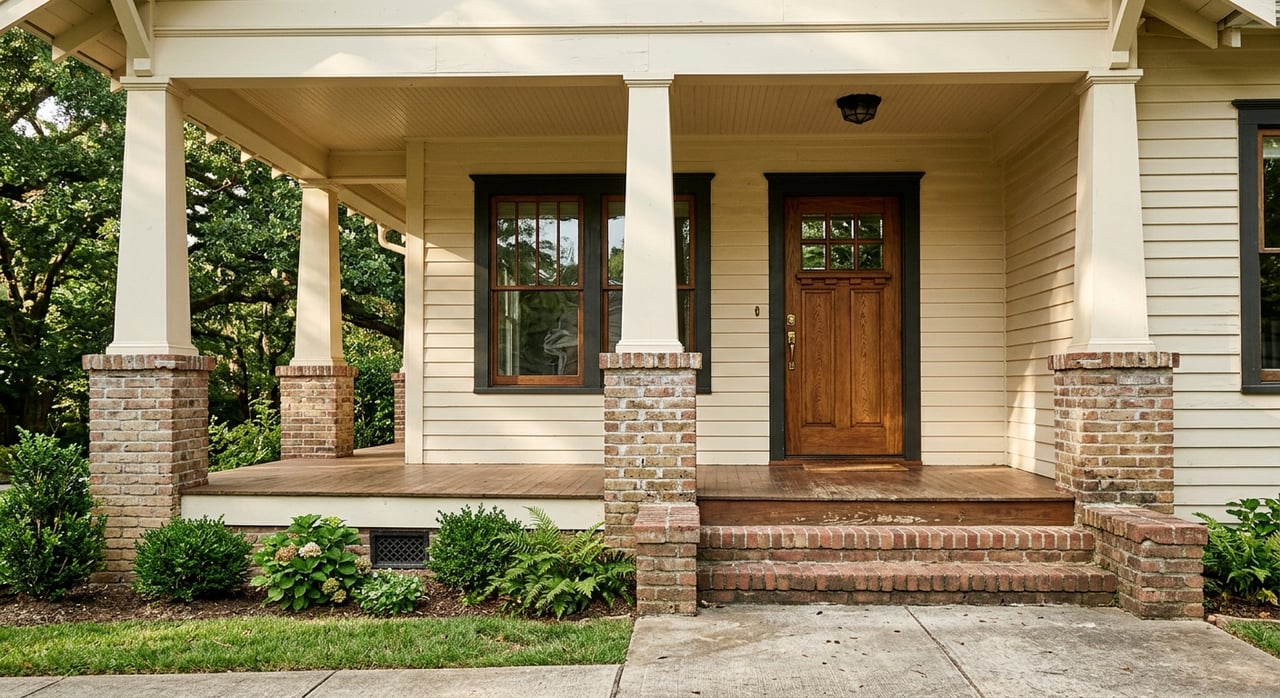
If you are drawn to Hyde Park, chances are you are not just buying a house. You are buying into a piece of Austin history, with architecture, craftsmanship, and neighborhood character that newer homes rarely replicate. That can be incredibly rewarding, but it also comes with extra layers of planning, inspection, and due diligence. This guide will walk you through the key things to evaluate before buying a historic home in Hyde Park so you can move forward with confidence. Let’s dive in.
Hyde Park is one of Austin’s earliest planned neighborhoods, originally platted in 1891 as a streetcar suburb. According to the City of Austin’s Hyde Park Local Historic District summary, the district includes about 186 acres and 640 properties, with 480 contributing properties at the time of designation.
That history shapes what you will see on the ground today. Hyde Park contains one of Austin’s largest concentrations of historic homes, with architectural styles ranging from Queen Anne and Classical Revival to later transitional homes and bungalows. In practical terms, buyers often value these homes not only for location and size, but also for preserved details, curb appeal, and long-standing neighborhood character.
Before you make plans for updates or renovations, confirm exactly how the property is classified. In Hyde Park, that distinction can affect what work requires approval and how much flexibility you may have over time.
The City of Austin Historic Preservation Office notes that the Historic Property Viewer can help identify whether a property is a historic landmark, part of a locally designated historic district, or within a National Register district. This matters because local historic districts carry stronger protections, while National Register districts are largely honorific and do not trigger the same zoning and design review process.
For many Hyde Park buyers, this is one of the most important distinctions to understand early. The city explains that local district designation typically requires historic review for certain exterior changes and site work, while National Register designation does not function the same way.
That means two homes on nearby blocks may look similar, yet have very different renovation rules. A smart first step is verifying designation before you budget for changes, request contractor bids, or assume a project will be straightforward.
Another key detail is whether the structure is considered contributing or noncontributing within the district. The Hyde Park design standards state that the district-specific standards do not apply to noncontributing structures, though other rules, including the Neighborhood Conservation Combining District, may still apply.
For you as a buyer, that can create very different levels of review from one property to another. If future renovation flexibility is part of your plan, this detail deserves close attention during the buying process.
One of the biggest surprises for buyers of historic homes is that exterior work may need approval before a building permit is issued. That does not mean you cannot improve the property, but it does mean the timeline and process may be more involved than with a newer home.
According to the Hyde Park design standards, additions, new construction, demolition, relocation, and replacement of doors, windows, or roofing materials may require historic review and a Certificate of Appropriateness. Routine maintenance and interior remodeling generally do not.
If you are hoping to expand a home, Hyde Park’s standards are especially important. The rules call for additions to be placed at the rear or rear side of the house and designed to remain compatible with the original structure.
The same standards also state that second-story additions should be set back at least 15 feet from the front wall. The goal is to keep the original house visually prominent from the street, which is a major part of the district’s character.
Buyers also need to evaluate lot size and site layout if a garage apartment, detached garage, or secondary unit is part of the long-term plan. Hyde Park’s standards say new garages are generally expected to be detached and located at the rear.
They also note that garage apartments or secondary units are allowed only on lots of 7,000 square feet or more under the Hyde Park NCCD. If this kind of future use matters to you, it is worth reviewing these rules before you close.
A historic home can be beautifully preserved, thoughtfully updated, or carrying years of postponed work beneath the surface. In Hyde Park, careful inspections matter because age alone can create maintenance issues even when a home looks charming and well cared for.
Older homes often need a more nuanced evaluation than standard cosmetic walkthroughs provide. You are not just looking for what is attractive today. You are also looking for how the home has been maintained over time.
The National Park Service notes that historic homes can admit moisture through cracks around windows and doors, deteriorated mortar, and poorly maintained exterior systems. Its guidance also emphasizes the importance of working gutters, downspouts, flashing, and drainage to prevent long-term damage to historic materials.
In a Hyde Park home, that means you should pay close attention to:
Even if these issues are not dramatic, they can lead to expensive repairs over time. A buyer who budgets only for cosmetic improvements may be caught off guard.
The Hyde Park standards identify original windows, porches, and roof forms as major character-defining features. Many contributing homes still have old-growth wood windows, and the standards say repair or rehabilitation is preferred over casual replacement.
Front porches are also considered integral to the neighborhood’s historic character. On contributing homes, enclosing a primary front porch is generally inconsistent with that pattern, so buyers should think carefully before assuming a porch can be reworked without review.
Foundation and drainage issues deserve close inspection in any older house. The National Park Service treats foundation drainage as a central part of the building system, which is one reason roof runoff, grading, and site moisture deserve serious attention during due diligence.
In practical terms, you should expect some level of maintenance planning with a historic Hyde Park home. The goal is not to avoid older properties. It is to understand condition honestly and price your future work realistically.
Because Hyde Park homes predate 1978, environmental due diligence matters. This is especially true if you are planning renovations soon after closing.
The EPA’s guidance on lead-based paint states that 87% of homes built before 1940 and 24% of homes built from 1960 to 1978 contain some lead-based paint. Federal rules also require sellers and landlords of pre-1978 housing to provide lead information.
The EPA further advises that suspected asbestos-containing materials, such as some floor tile, ceiling tile, or pipe wrap, should be sampled by a trained professional before renovation disturbs them. If you plan to remodel, this is not a minor detail. It can affect cost, project scope, timeline, and contractor requirements.
Historic homes often cost more to repair than buyers first expect. That does not automatically make them harder to own, but it does mean your insurance choices and reserve planning should be more intentional.
The Texas Department of Insurance explains that homeowners policies may provide replacement cost coverage or actual cash value coverage. Replacement cost pays to repair or rebuild at current costs, while actual cash value deducts depreciation.
For a historic home, this distinction matters because custom millwork, specialty materials, and skilled restoration labor can be more expensive than standard modern replacements. You will want to review policy limits carefully and make sure coverage aligns with what it could actually cost to repair the home properly.
Appraising a historic home is not always simple. In Hyde Park, the combination of limited supply, distinctive architecture, and varying levels of preservation can make comparable sales more nuanced.
Fannie Mae’s guidance on comparable sales says appraisers should consider factors such as site, room count, finished area, style, condition, and external influences when selecting comps. In a neighborhood like Hyde Park, where no two homes are exactly alike, condition and legal similarity can matter just as much as square footage.
For you, that means well-documented updates, preserved features, and overall maintenance history may have an outsized effect on value. Historic charm can add appeal, but buyers should still ground expectations in the realities of how these properties are evaluated.
There may be financial incentives available for some historic properties, but the details matter. Buyers should avoid assuming that every older home automatically qualifies for broad tax benefits.
The City of Austin’s historic preservation incentives and grants page explains that a rehabilitated contributing property in a historic district may qualify for a city tax abatement on the added value created by rehabilitation, subject to minimum spending thresholds. Separate annual tax exemptions may apply to designated historic landmarks, and those applications must be filed with Travis Central Appraisal District between January 1 and April 30.
The same city guidance also notes that state and federal historic rehabilitation tax credits generally apply to income-producing or nonprofit historic properties, not most owner-occupied homes. So if incentives are part of your purchase strategy, verify the exact property status and eligibility requirements before relying on them.
Buying a historic home in Hyde Park can be deeply rewarding when you go in with clear expectations. These homes offer architectural character, established streetscapes, and a sense of place that is hard to duplicate in newer construction.
The key is balancing romance with rigor. Confirm the property’s designation, inspect carefully for moisture and deferred maintenance, understand what changes may require review, and budget realistically for ownership. If you want thoughtful guidance as you evaluate Hyde Park and other distinctive Austin neighborhoods, Cord Shiflet can help you navigate the process with a high-touch, informed approach.
Stay up to date on the latest real estate trends.



Relocation
Cord prizes trust. His clients trust him to value and protect their real estate investments. And how’s this for a bonus? He is fun to work with because he loves his work. Whether representing an A-list celebrity or Austin executive, Cord personifies Texas’ entrepreneurial spirit: Play hard. Have fun. Work harder.

CORD SHIFLET
EMAIL US: [email protected]
CALL US: (512) 751-2673
3825 Lake Austin Blvd., #501 Austin, TX 78703