If you love the character of Old West Austin but aren’t sure how to tell a Tudor from a Craftsman or what that means for value, you’re not alone. This close‑in district blends more than a century of architecture, which is part of its charm and its complexity. In this guide, you’ll learn how to spot the most common styles, how era and condition can influence pricing and renovations, and what to know about historic review and trees. Let’s dive in.
What Old West Austin covers
Old West Austin refers to the combined historic district of Old Enfield, Pemberton Heights, and Bryker Woods, a plateau just west of downtown roughly bounded by W. 13th to 35th Streets, Lamar Boulevard, and MoPac. The National Register nomination is the baseline reference for the area’s buildings, documenting about 1,574 contributing resources with a period of significance from 1853 to 1953. You can use this resource to understand street‑by‑street architectural context and what “contributing” means for a given house. See the full nomination for maps and inventories in the Old West Austin Historic District documentation.
Nearby areas like Tarrytown and Clarksville are often mentioned in the same breath, but they have distinct histories and development patterns. Tarrytown sits west of MoPac and is frequently compared on price and lifestyle. Clarksville is a historically separate freedmen’s community with its own National Register listing and story thread.
Signature styles you’ll see
Bungalow and Craftsman (1910s–1930s)
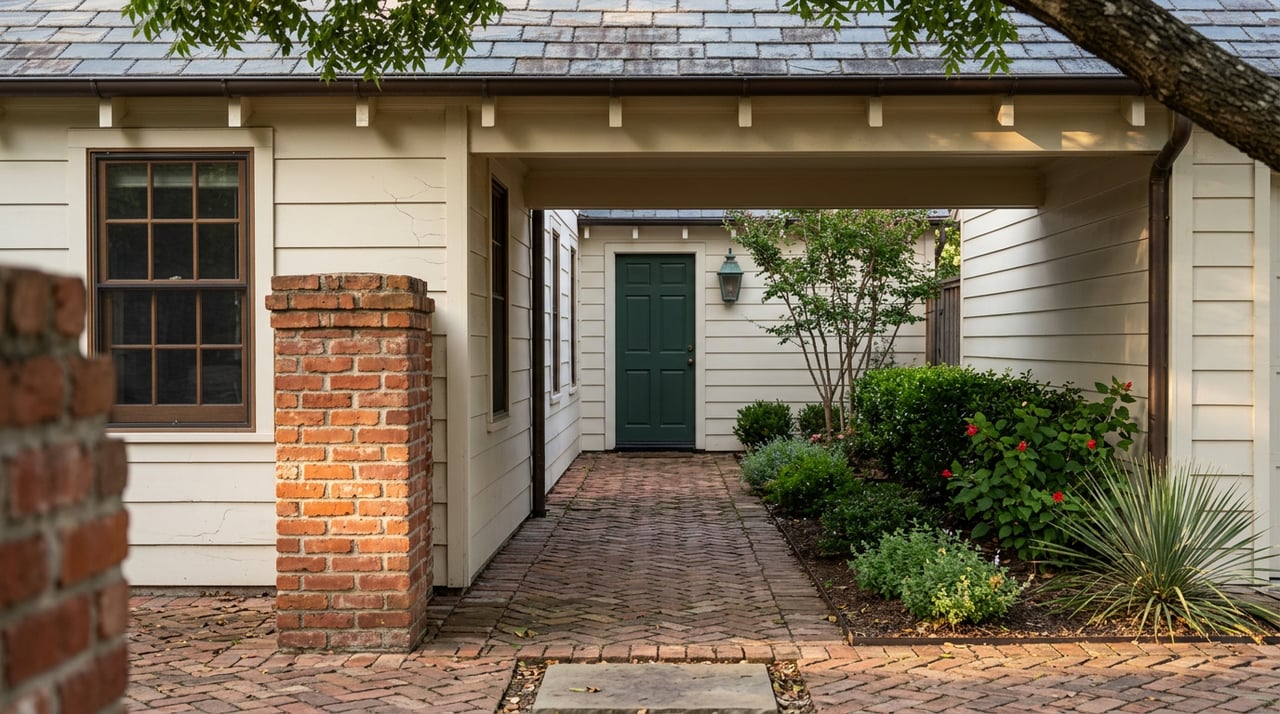
- Visual cues: low‑pitched gabled roofs, overhanging eaves with exposed rafter tails, full or partial‑width porches, tapered or square porch columns, wood clapboard or shingle siding.
- Where it shows: common across Old Enfield and earlier sections, usually one to one‑and‑a‑half stories and close to the street.
- Renovation lens: interiors often have smaller rooms. Opening plans is doable but may require structural work.
Period Revival family: Tudor, Spanish/Mission, Colonial, Italian Renaissance (1920s–1940s)
- Visual cues: steeply pitched roofs and half‑timbering for Tudor; stucco walls and clay‑tile roofs for Spanish Colonial; symmetrical brick facades and classical porticos for Colonial and Classical Revival. Expect quality masonry and tile on grander homes.
- Where it shows: concentrated in Pemberton Heights and parts of Old Enfield.
- Renovation lens: preserving character features like original brickwork, decorative timber, windows, or tile roofs is a priority for many buyers and can increase restoration costs if done in‑kind.
Prairie, Moderne, and International influences (circa 1915–1940s)
- Visual cues: strong horizontal lines, grouped windows for Prairie; smooth stucco and streamlined corners for Moderne; flat roofs and large bands of glazing for International Style.
- Where it shows: scattered architect‑designed houses and some multifamily buildings reflect these national trends.
- Renovation lens: these homes can pair well with restrained modern interiors due to their simple forms and large window groupings.
Mid‑century Ranch and Modern Movement (late 1930s–1950s)
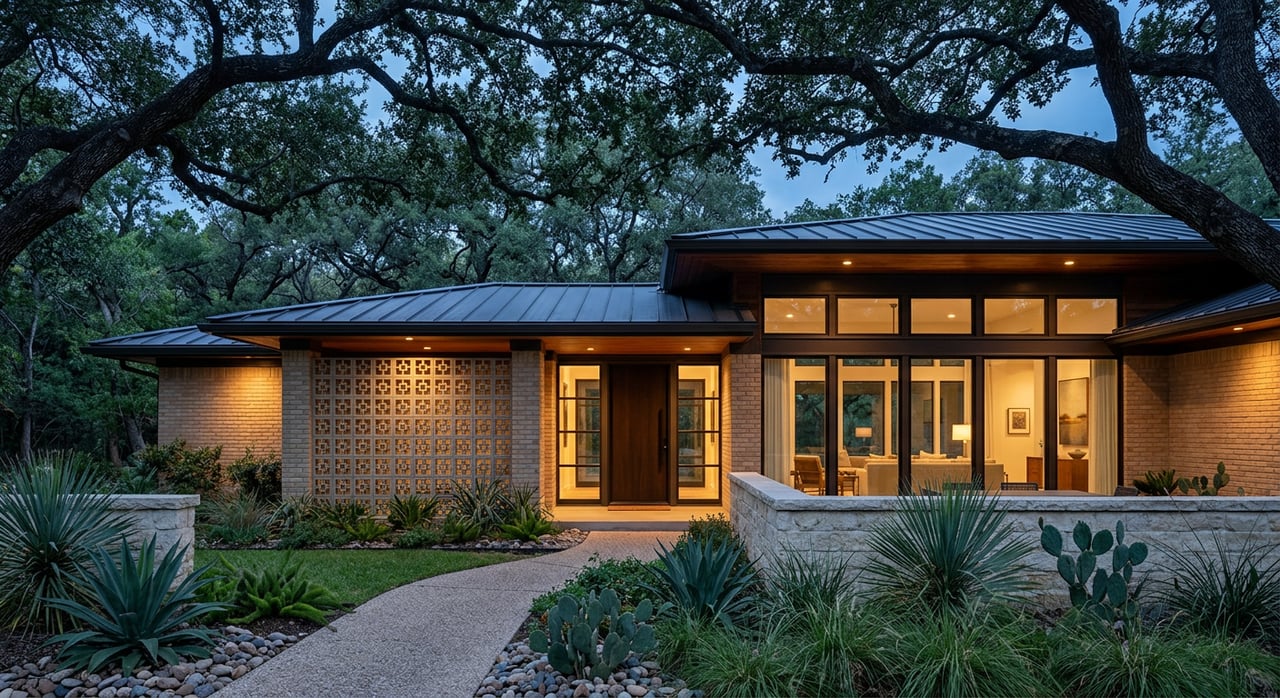
- Visual cues: single‑story, low‑slung rooflines, attached garages or carports, larger picture windows and sliding‑glass doors, easy flow to yards and patios.
- Where it shows: more common in later‑platted areas and Bryker Woods.
- Renovation lens: ranches are often the easiest to modernize thanks to single‑story plans and simpler structures.
Contemporary infill and custom builds (2000s–present)
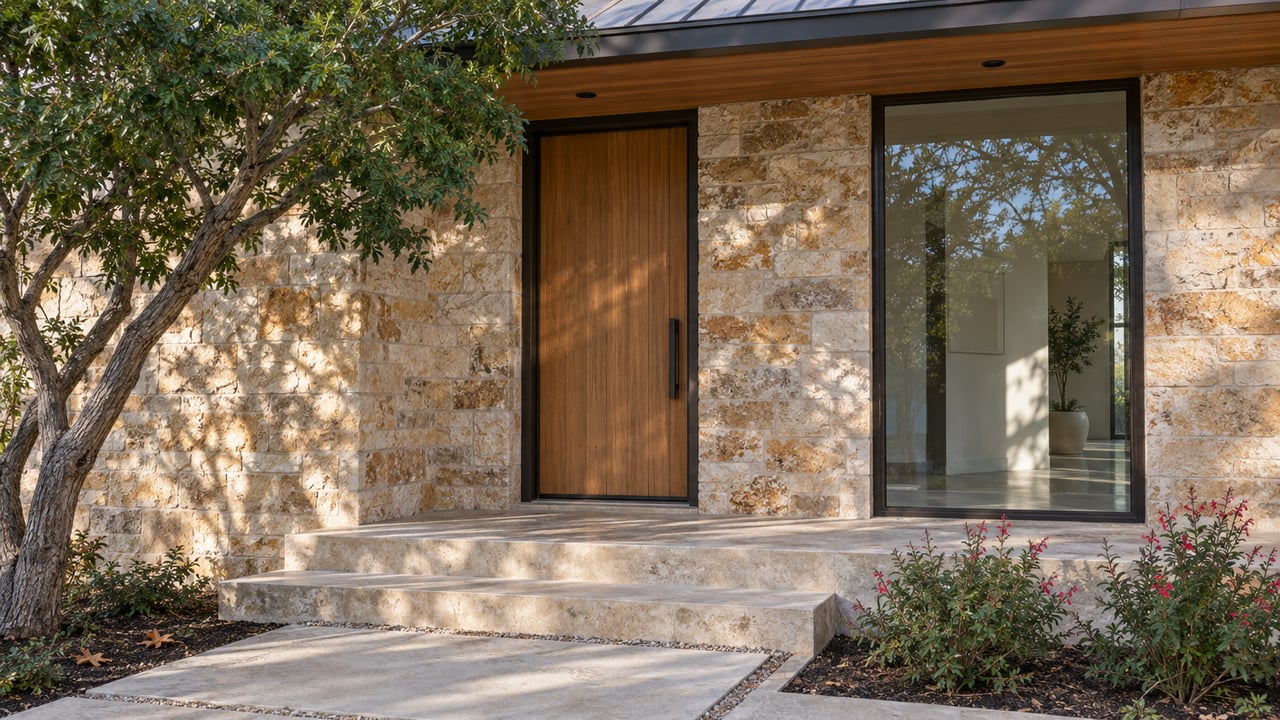
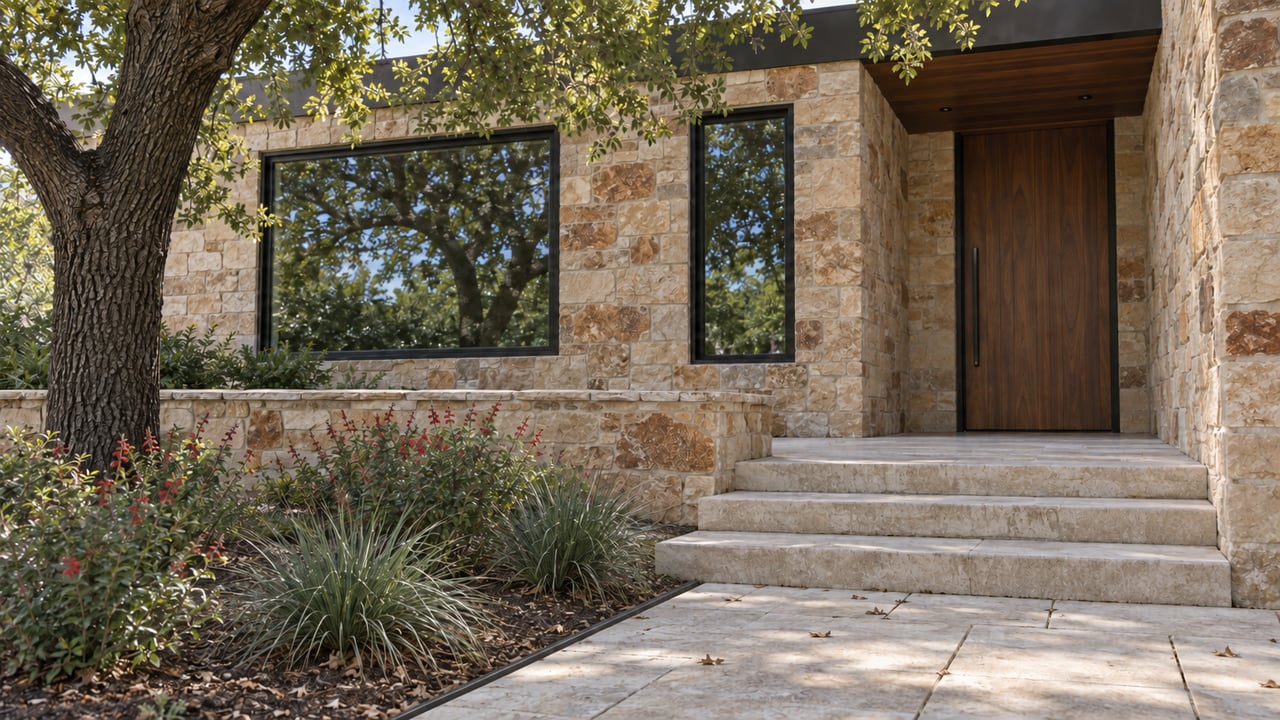
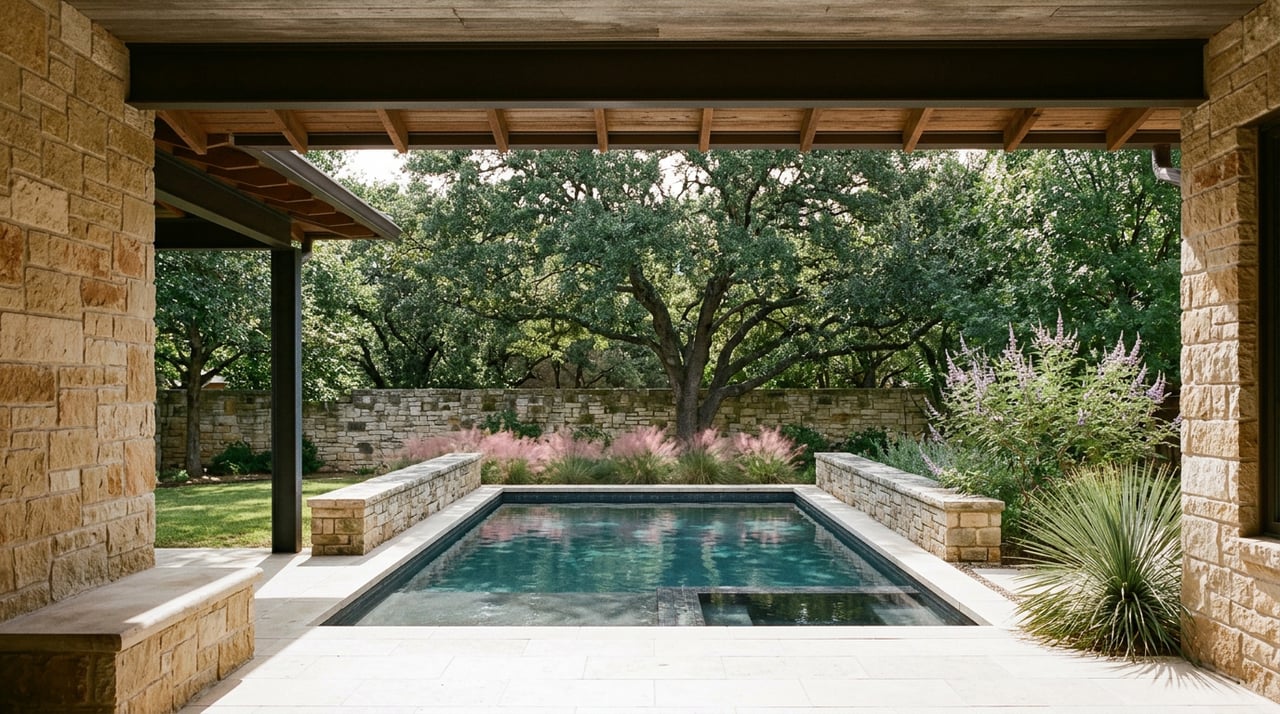
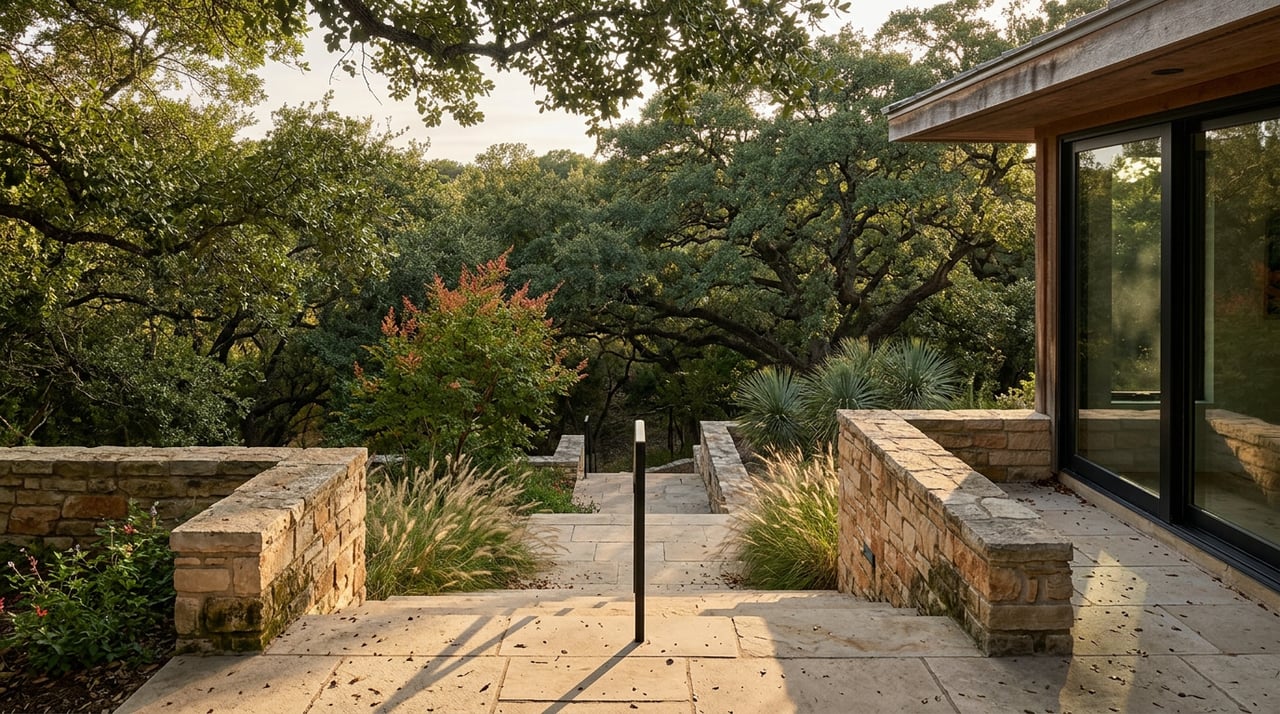
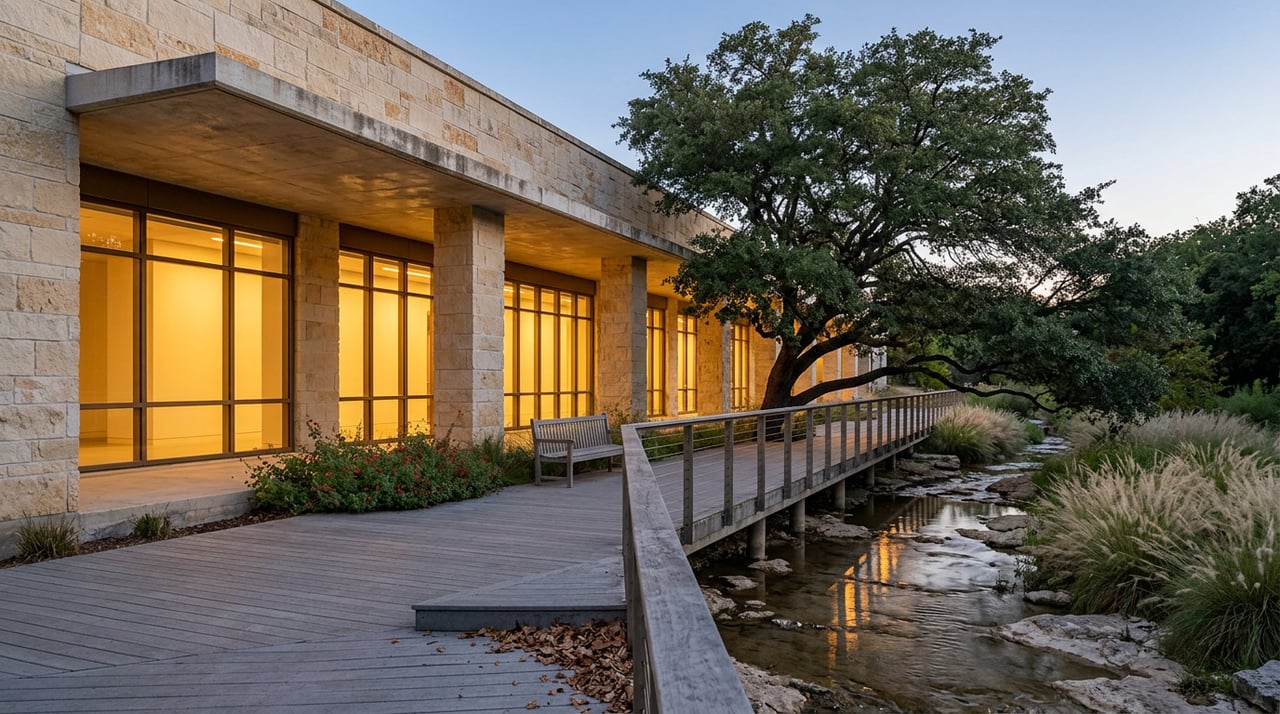
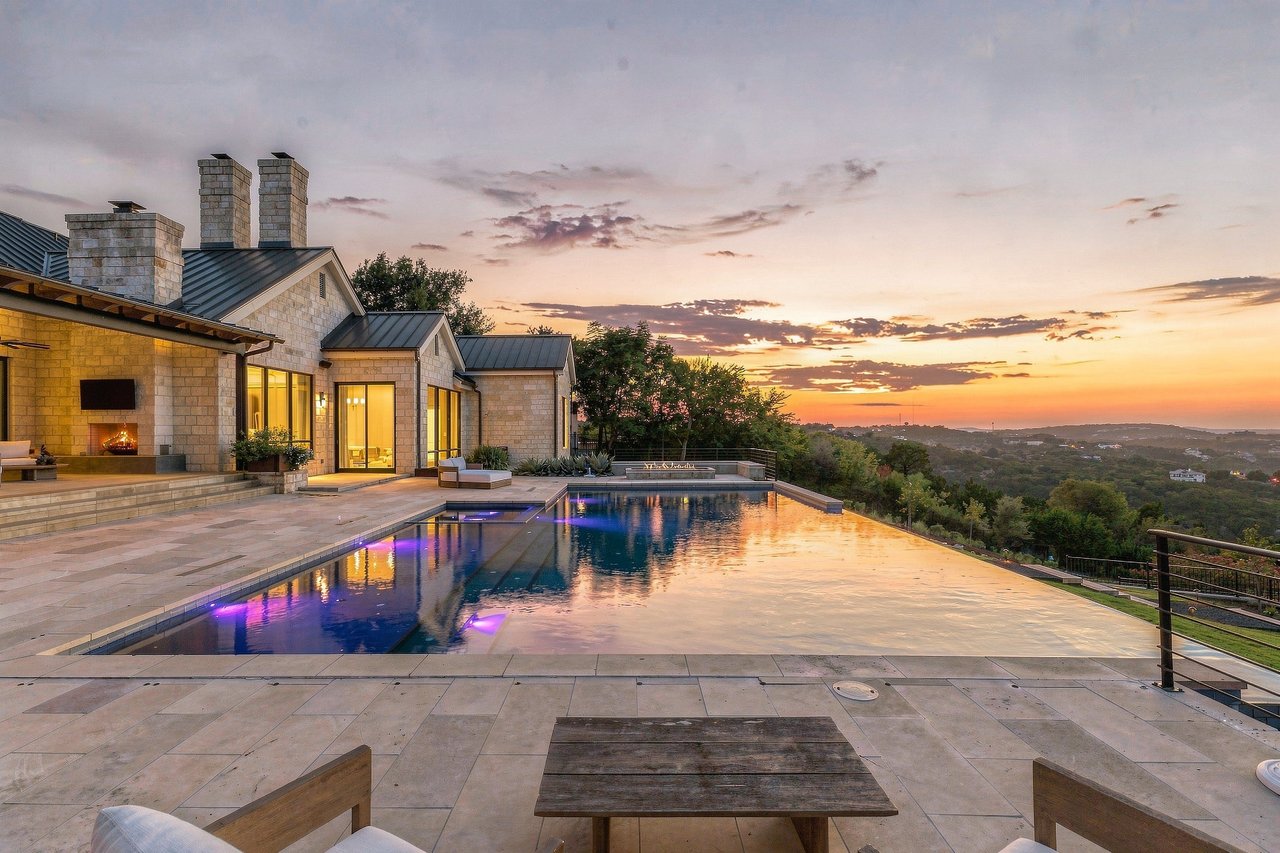
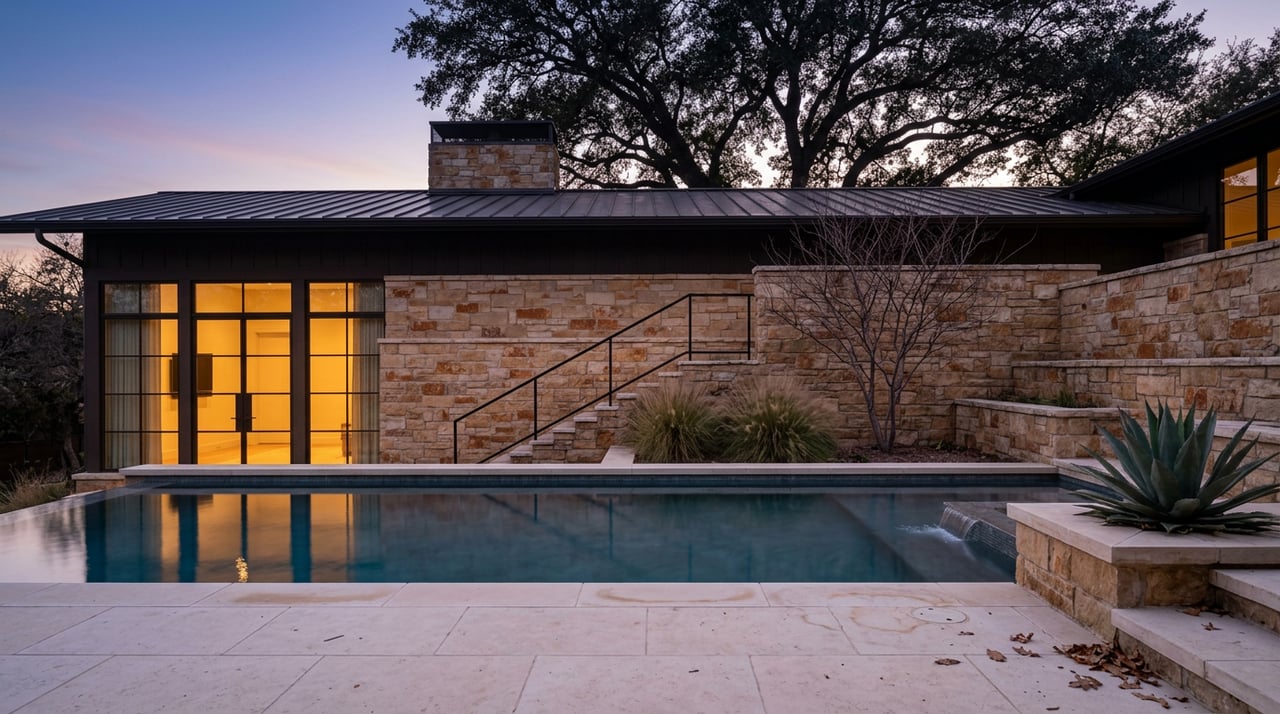
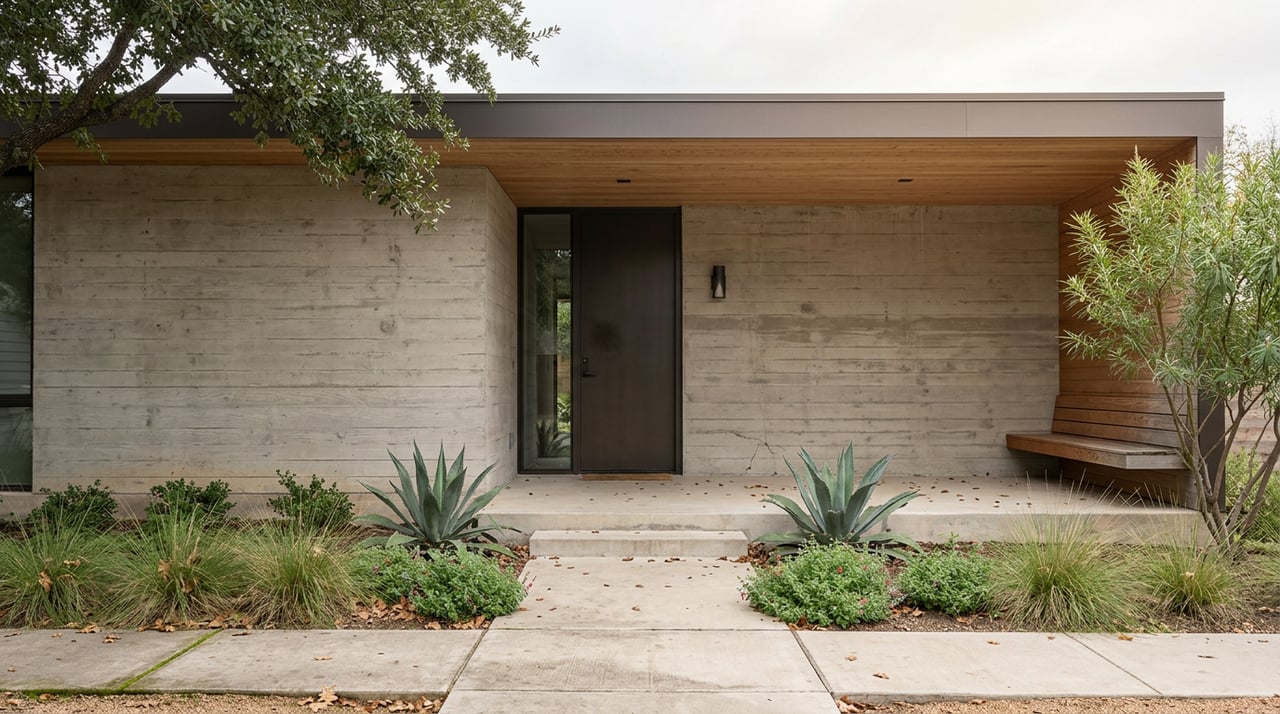
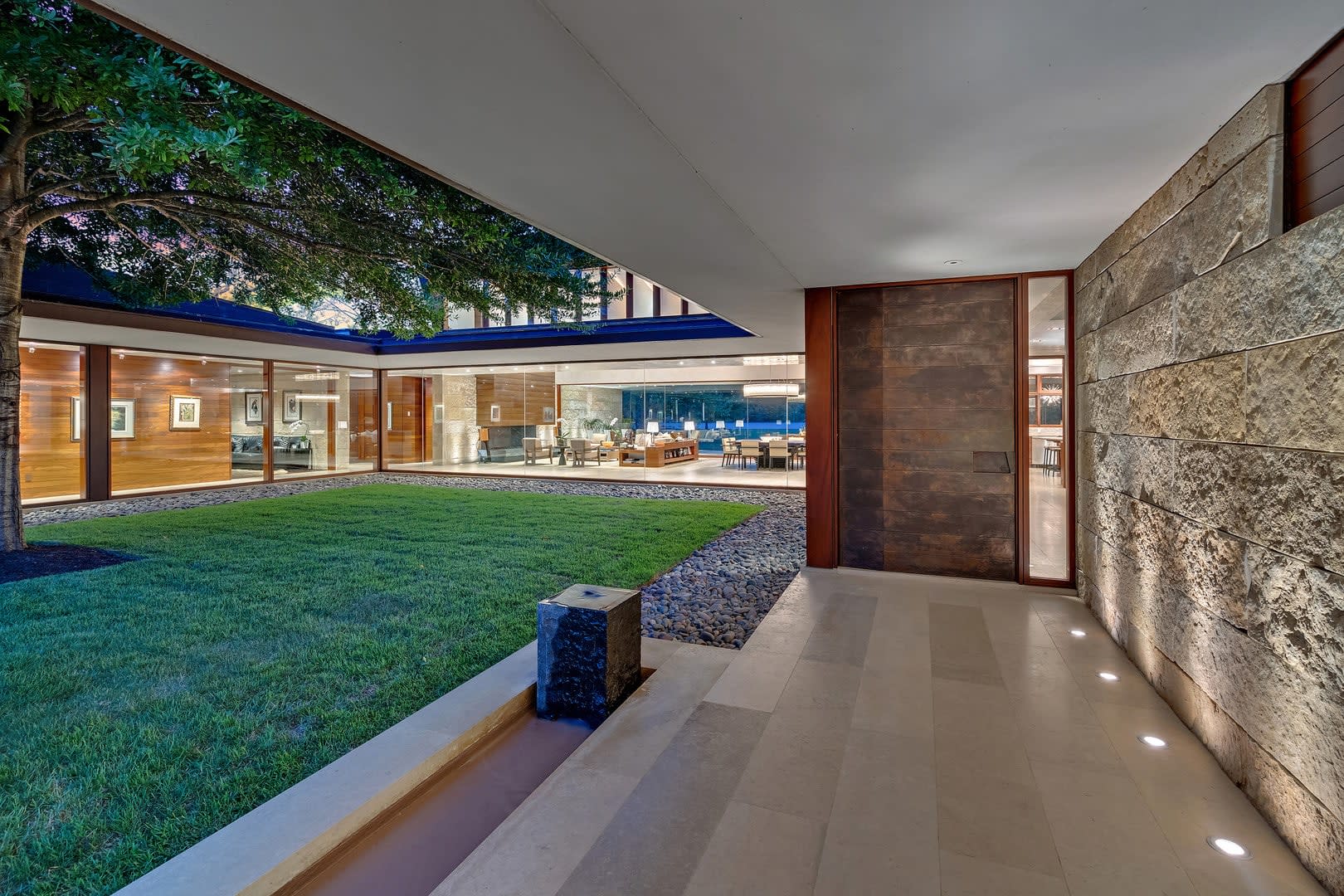
- Visual cues: clean lines, large expanses of glass, minimal detailing, flat or shallow‑pitched roofs, integrated garages, and extensive outdoor living with pools.
- Where it shows: high‑end replacements on desirable lots are visible in recent Historic Landmark Commission agendas. Luxury buyers often opt for fully modern amenities and custom architecture.
How style influences price and value
Old West Austin is a high‑demand, low‑supply area close to downtown. As of February 2026, the Old West Austin median sale price on Redfin was shown around the low‑to‑mid seven figures, with a snapshot near $1.27M. Use the live Redfin neighborhood overview on the Old West Austin market page on the day you plan to buy or sell for the latest figures.
Why styles and eras matter:
- Scarcity and lot size: estate‑scale period revival homes, especially in Pemberton Heights, often command premiums because larger lots this close to downtown are rare.
- Condition and systems: buyers pay more for updated mechanicals and finished kitchens and baths. An intact historic shell with modern systems tends to outperform a similarly sized home that needs full upgrades.
- Trade‑offs: smaller bungalows can deliver character and location at a relatively lower entry price, though footprints and lots may be modest compared with estate properties.
Renovation, costs, and ROI
Every house is unique, but older homes in Old West Austin share common cost drivers. Keep your due diligence focused on structure and systems.
Typical high‑cost items to evaluate
- Foundations: pier‑and‑beam adjustments or slab underpinnings can range from a few thousand for minor leveling to tens of thousands for deeper repairs. Austin’s expansive clay soils and hillside conditions add variability.
- Electrical: full rewiring to replace knob‑and‑tube or undersized service panels is a significant line item.
- Plumbing: galvanized or cast‑iron replacements, plus sewer line issues, can be substantial.
- Roofing and envelope: roof replacement, masonry tuck‑pointing, and woodwork repairs restore performance and curb appeal.
Project ballparks and value patterns
- Kitchen and bath: a minor kitchen refresh can sit in the low tens of thousands. An upscale kitchen often reaches into the six‑figure range depending on scope and finish level. Midrange bathroom remodels often land in the low‑to‑mid five figures.
- Foundations: get multiple bids locally. Austin foundation work can vary widely based on soil, access, and scope.
- ROI lens: consistent with national Cost vs. Value patterns, curb‑appeal improvements and thoughtful kitchen/bath updates typically recoup better at resale than expansive additions. Reducing the sense of deferred maintenance is one of the fastest ways to protect value.
For background on common old‑home issues, read this overview of what to watch for in older houses. For spending norms and where owners put their dollars, see Fixr’s home improvement spending statistics. For Austin‑specific foundation cost ranges, review this local foundation repair guide.
Permits, trees, and historic review
Buying or renovating in Old West Austin often involves a few extra steps. Understanding them early helps you plan timelines and costs.
- Historic Landmark Commission (HLC) review: projects involving “contributing” resources within the district appear frequently on HLC agendas. NRHP status does not automatically prohibit demolition, but documentation, review, and potential design conditions are common before permits are released. Scan recent Historic Landmark Commission agendas to see how projects are evaluated.
- Design standards: Austin applies Historic Design Standards grounded in the Secretary of the Interior’s Standards to assess rehabilitation and compatible new construction. Expect staff to reference these criteria in reviews. Read the City’s Historic Design Standards for guidance.
- Trees: many lots have protected live oaks and other heritage trees. Austin’s tree ordinance can limit where you build, how you stage construction, and what you can remove, which can add site‑prep costs. Learn how Austin protects trees to anticipate constraints and value boosts from mature canopies.
Choosing your fit
Use the look, layout, and renovation path to narrow your search.
- If you want porch culture and handcrafted details: consider a Craftsman bungalow. Plan for selective structural work if you want an open kitchen or larger primary suite.
- If you love classic formality and masonry: period revival homes deliver presence and permanence. Budget for meticulous restoration of character elements.
- If you prefer clean lines with historical roots: Prairie or Moderne homes offer streamlined forms that pair well with contemporary interiors.
- If you prioritize flow and easy upgrades: mid‑century ranches are often the quickest route to open‑plan living and indoor‑outdoor life.
- If you want turn‑key contemporary: recent custom builds provide modern systems, large glazing, and resort‑level outdoor spaces. Confirm how any prior HLC approvals shaped the design.
Work with a local advisor
Old West Austin rewards a sharp eye for architecture and an experienced hand with historic review and renovation planning. Whether you’re buying a Tudor on a hill lot or selling a beautifully updated bungalow, you want targeted guidance, precise pricing, and far‑reaching marketing. For concierge representation and access to curated opportunities, connect with Cord Shiflet.
FAQs
What defines Old West Austin for homebuyers?
- It is a National Register historic district that includes Old Enfield, Pemberton Heights, and Bryker Woods, with about 1,574 contributing resources documented from 1853 to 1953 in the district nomination.
How does historic status affect demolition or new builds?
- NRHP listing does not automatically stop demolition, but contributing structures typically require documentation and Historic Landmark Commission review, which can add time and conditions before permits.
Which Old West Austin styles are easiest to modernize?
- Mid‑century ranches and many late‑1940s to 1950s homes are generally easier due to single‑story plans and simpler structures, while period revivals can be modernized with added care for original materials.
What renovation red flags should I check first?
- Look for signs of foundation settlement, older wiring like knob‑and‑tube, aging galvanized or cast‑iron plumbing, roof leaks, and potential lead‑ or asbestos‑containing materials in pre‑1978 homes.
How do styles and condition influence long‑term value?
- In close‑in areas, lot scarcity and location lead, and homes that retain authentic materials while offering modern systems tend to outperform similar properties with major deferred maintenance; check current comps such as Redfin’s neighborhood overview for context.