Guide To Buying A Lake Austin Waterfront Estate
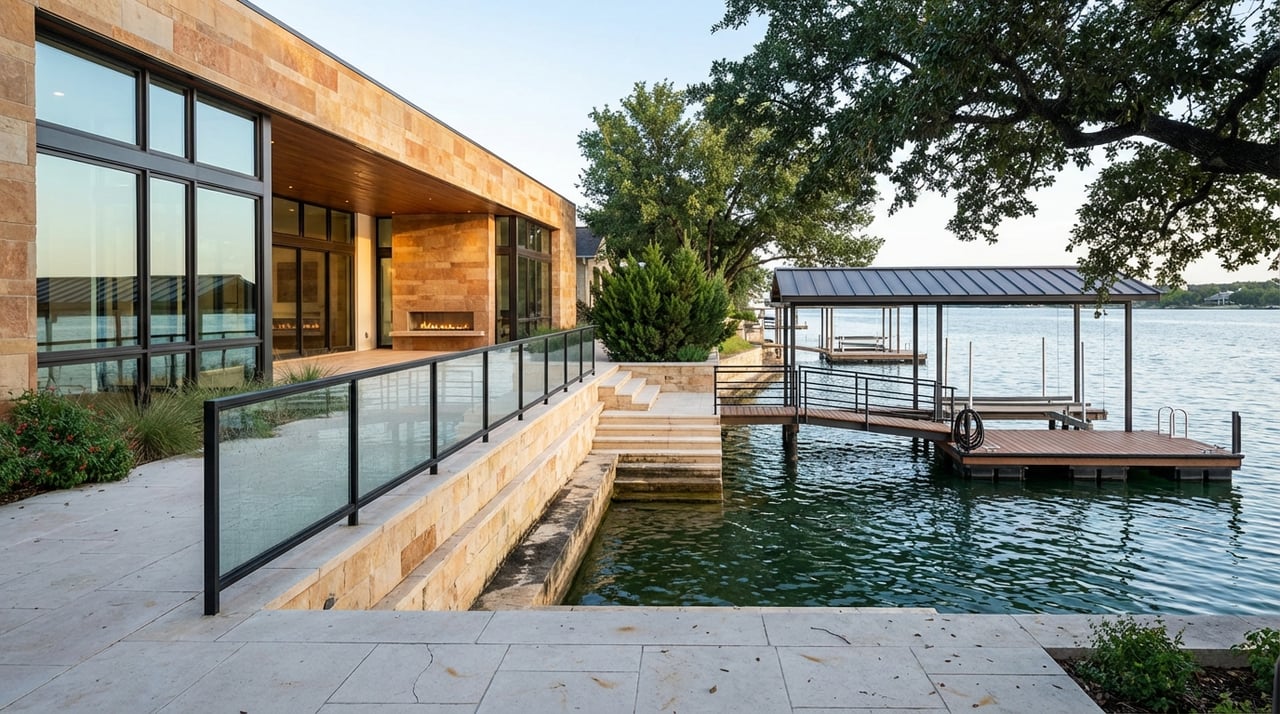
Shopping for a Lake Austin waterfront estate in Lakeview Gardens is exciting, but the shoreline brings rules, permits, and details that can make or break your experience. You want effortless boat access, a resilient dock, and clarity on what you can build or improve. In this guide, you’ll learn how Lake Austin is regulated, what due diligence to run, how water levels affect value, and what timelines to expect. Let’s dive in.
Lake Austin sits within the Highland Lakes on the Colorado River. The Lower Colorado River Authority (LCRA) manages the broader system and publishes water operations and lake levels. You can verify the system context on the LCRA’s Highland Lakes overview page. Visit the LCRA’s Highland Lakes overview to understand how the system works and why levels move: LCRA Highland Lakes overview.
On Lake Austin itself, the City of Austin regulates docks, shoreline structures, and inspections. That means you will check both LCRA rules and City of Austin code for a complete picture. Start with the City’s Boat Dock page for site plan, permitting, and registration steps: City of Austin boat docks.
Before you build, alter, or repair a dock on Lake Austin, the City requires a site plan review or an approved site plan exemption. The City also runs a boat dock registration and inspection program with five‑year renewals for residential docks. You can review procedures and contacts here: City of Austin boat docks.
LCRA publishes safety standards across the Highland Lakes, including flotation, anchoring, lighting, and other dock safety rules. On many lakes, LCRA does not require a permit or fee for residential docks of 1,500 square feet or less, but all docks must meet safety standards and any local rules. On Lake Austin, the City is the primary regulator for residential docks, so confirm requirements with City Development Services. For background on LCRA’s dock framework, see: LCRA docks and marinas.
Dredging, shoreline fill, and stabilization often trigger LCRA’s Dredge and Fill Ordinance. Smaller Tier I work may only require notification, while larger Tier II or III projects require a formal permit and engineered plans. On Lake Austin, coordinate early with both the City and LCRA to scope what applies to your exact plan: LCRA dredge and fill permits.
Some work in navigable waters involves the U.S. Army Corps of Engineers. Section 10 covers structures in navigable waters and Section 404 covers dredge and fill into waters of the United States. Many low‑impact projects can proceed under Nationwide Permits, while others need an individual permit and longer review. See the Corps’ permitting framework: 33 CFR 322.5.
Owning land to the waterline does not always include ownership of the submerged land. LCRA and county records may show reservations, easements, or agency ownership in the lakebed. If submerged land is encumbered, you may need a lease or permission for moorings, anchors, dredging, or a dock. LCRA advises buyers to verify submerged‑land ownership and recorded reservations. Start with a current title commitment and a thorough review of exceptions: LCRA FAQs.
Order a current ALTA boundary survey that shows property lines to the waterline, existing docks or bulkheads, anchors, and any improvements in the lake area. If the deed references ownership to the waterline, the survey should clearly document the relevant waterline benchmark used by the surveyor.
Lake Austin’s levels respond to system operations, hydropower, and flows through the Highland Lakes. Review several years of lake‑level history before you buy so you understand how low or high conditions have affected a specific cove or shoreline. LCRA’s Hydromet is the best daily and historical data source: LCRA Hydromet.
Local agencies sometimes lower pass‑through lakes to enable shoreline work and control nuisance vegetation. These drawdowns are not automatic and depend on system storage, inflows, and seasonal risk. Monitor agency announcements before planning repairs or major dock work.
For design, prioritize resilient docks with encased flotation, robust anchoring, and flexible connections to handle level changes and flood forces. LCRA and City guidance highlight safety and resilient design. Review safety pointers within LCRA’s dock resources: LCRA docks and marinas.
Public ramps and parks on Lake Austin give you launch alternatives and guest options. Texas Parks & Wildlife lists key ramps and parks like Walsh Boat Landing, the Loop 360 ramp, Emma Long Park, Commons Ford Park, Mary Quinlan Park, and Fritz Hughes Park. Check ramp hours, fees, and parking capacity, especially in peak season: TPWD Lake Austin access.
Some communities and private enclaves offer marina slips or club moorage. Terms, availability, and transferability vary by HOA or membership agreement. If a listing references a slip, request the lease or membership documents and confirm any waiting list or transfer rules.
Waterfront homes command a premium that reflects access, water quality, and scarcity. Research shows that water quality and usable access influence waterfront values in measurable ways. For a trophy estate, permitted and practical dock access, documented rights, and long‑term stability are the value linchpins. Review the broader research perspective here: waterfront value meta‑analysis.
In West Lake Hills and the Lakeview Gardens corridor, luxury demand is strong and inventory is scarce. That can lengthen search timelines and make due diligence even more important. Clear documentation of dock rights, permits, and shoreline history improves both enjoyment and long‑term resale.
Use this list during your option period or, ideally, before making a final offer:
Small repairs and re‑decking may qualify for a City site plan exemption and move faster. Registering an existing, inspected dock is usually a straightforward administrative step. New docks, covered slips, dredging, or major shoreline work typically require engineering, a City site plan and building permits, and LCRA dredge permits for certain activities. For City process steps, start here: City of Austin boat docks.
If a U.S. Army Corps authorization is needed, timelines can lengthen. Industry reports note that some Nationwide Permits with pre‑construction notification have averaged under two months, while standard individual permits often take longer. Build this into your project schedule early and get current estimates from the agencies.
Waterfront success comes from the right team. For a Lakeview Gardens estate, line up:
Confirm points of contact and reference material as you go. LCRA’s resource pages are a practical starting point for safety standards and permits: LCRA docks and marinas.
If you are evaluating a Lake Austin estate, focus your first pass on three things: permitted and documented water access, a clean title and survey picture at the shoreline, and a clear plan for any dock or shoreline upgrades. That clarity protects lifestyle and value.
When you are ready, connect with a local, principal‑led team that lives this shoreline every day. For discreet guidance, off‑market access, and a concierge process from search to close, work with Cord Shiflet.
Stay up to date on the latest real estate trends.


Relocation






Relocation
Cord prizes trust. His clients trust him to value and protect their real estate investments. And how’s this for a bonus? He is fun to work with because he loves his work. Whether representing an A-list celebrity or Austin executive, Cord personifies Texas’ entrepreneurial spirit: Play hard. Have fun. Work harder.

CORD SHIFLET
EMAIL US: [email protected]
CALL US: (512) 751-2673
3825 Lake Austin Blvd., #501 Austin, TX 78703