Old Enfield Walkable Amenities for Car‑Light Living
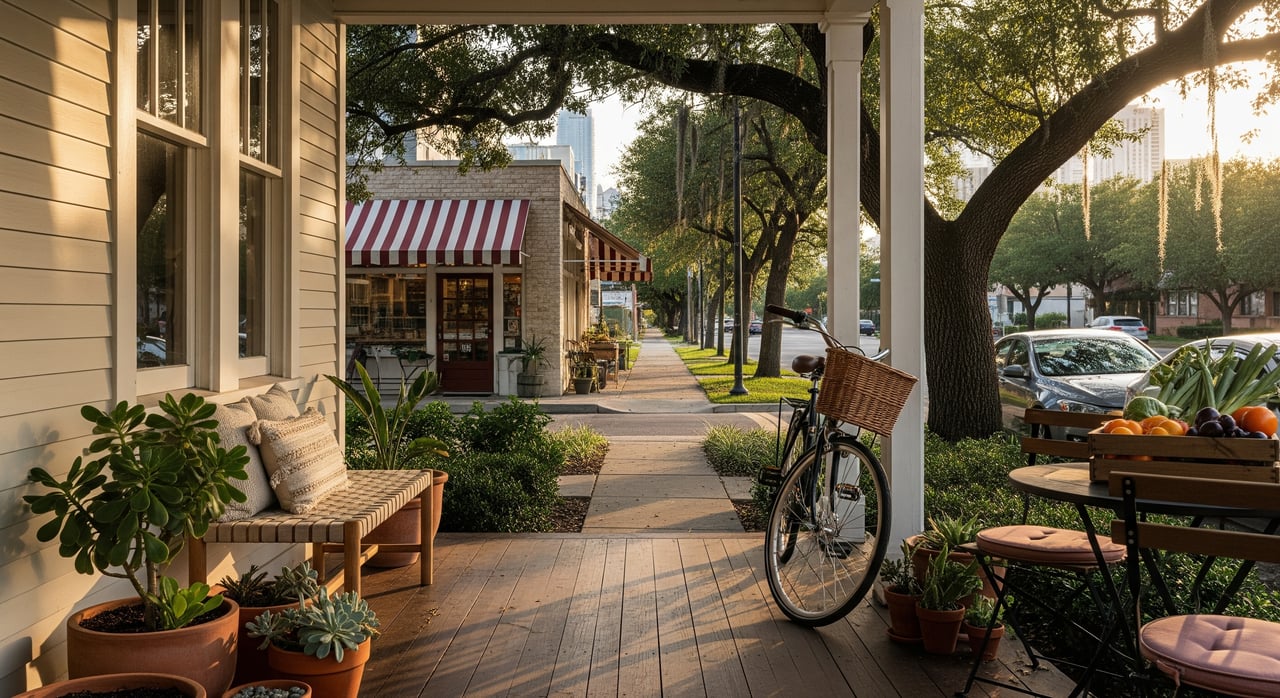
Could you run most of your week without getting behind the wheel? In Old Enfield, many residents find they can keep keys in their pocket and still cover coffee, parks, and everyday errands with short walks or quick bike rides. If you want central convenience without a daily parking routine, a car‑light lifestyle here is within reach. In this guide, you’ll learn what is typically practical on foot or by bike, how to plan routes, and what to consider when buying a home to support this lifestyle. Let’s dive in.
Car‑light does not mean car‑free. It means you can cover most daily needs by walking or biking and save the car for occasional bulk trips or out‑of‑neighborhood errands. For planning, use simple time estimates: a 5‑minute walk is about 0.25 mile and a 10‑minute walk is about 0.5 mile. A 5‑minute bike is about 1 to 1.5 miles, and a 10‑minute bike is about 2 to 3 miles, depending on stops and route.
Those distances capture a lot of life in a central Austin neighborhood like Old Enfield. Expect coffee, green space, and basic services to be your shortest walks. Full grocery runs, specialty items, and cultural venues are often an easy bike ride away. A car still helps for large purchases and time‑sensitive cross‑town trips.
A practical car‑light routine starts with what you can reach in 5 to 10 minutes on foot from your home. In Old Enfield, that typically includes:
Sidewalk quality and crossings matter. Take a stroll at the times you’d actually use these routes. Note curb ramps, signal timing, lighting at dusk, and where traffic feels busy. If you rely on a stroller or mobility device, practice the full path and note any pinch points.
A bike expands your reach quickly without a parking hunt. In about 10 minutes of riding, many residents can access:
For comfort, favor low‑traffic neighborhood streets and any signed or protected bike routes over high‑speed arterials. If you are newer to cycling, plan your ride at calmer times first and build confidence. Riders using e‑bikes can comfortably stretch these ranges while keeping travel time similar.
Car‑light living feels easier when fresh air is built into your day. Old Enfield residents typically enjoy quick access to pocket parks, neighborhood sidewalks lined with trees, and connections to larger city trail systems within a short ride. Before you set a routine, check park pages for restroom availability, playgrounds, picnic areas, and sports courts. Morning and late afternoon are popular times, and weekends can be busier.
If you run or cycle longer distances, map a loop that links neighborhood streets to off‑street trails where available. A well‑planned loop can keep most of your training ride away from heavy traffic, which makes daily fitness more sustainable.
CapMetro is the regional transit system serving central Austin. While schedules and frequencies vary by route and time of day, many residents rely on nearby bus corridors for commutes or quick hops to downtown and the university area. A folding or compact umbrella can make bus trips easier in summer sun or unexpected showers.
Short trips are also supported by scooters and shared bikes where coverage is active. Rideshare works well for late evenings, unexpected weather, or when you need to carry more than a backpack. If you prefer to skip car ownership entirely, check for carshare availability in central zones and compare monthly costs with your actual driving needs.
Even in a central neighborhood, there are moments when a car is the practical choice. Bulk grocery runs, home improvement hauls, and out‑of‑neighborhood medical appointments are easier with a trunk. Late‑night trips when transit headways thin out may also favor a quick drive or rideshare.
Street parking in central areas can be regulated. Expect time limits or permit zones on some blocks. If you host often, think about guest parking and short‑term loading for deliveries before you buy.
Here are a few realistic routines that residents often follow. Adjust the times to your exact address and pace.
The weekday sprint: Walk 6 to 8 minutes to your regular coffee spot, grab a pastry, and head back on a shaded route. Later, bike 8 to 10 minutes to pick up pantry items and fresh produce. An evening spin takes you to a pocket park for a quick jog.
The family loop: Stroll 10 minutes to a playground before school, then bike 10 minutes for a small midweek grocery top‑off. After dinner, walk a gentle loop on calm streets to wind down.
The weekend reset: Ride 10 minutes to a farmers market for breakfast tacos and seasonal produce. Cruise 10 more minutes to a larger park or trail for a longer run, then roll home with a stop for iced coffee and a few specialty items.
A little prep removes most friction from car‑light living:
Buying in Old Enfield with a car‑light mindset calls for a few smart checks:
Central Austin rhythms help you plan. Weekend mornings favor markets, parks, and longer trail sessions. Midday heat in summer makes early or late rides more comfortable. School‑year peaks bring more activity around drop‑off and pick‑up windows. Evening shows and dining clusters can add noise and traffic near commercial streets, while interior residential blocks stay quieter.
You deserve more than a map pin. Our team builds a custom walk‑and‑bike profile for each Old Enfield address you are considering. We test the routes, time the crossings, and assemble a practical inventory of nearby coffee, staples, parks, healthcare, and services. You receive a clear plan for how daily life actually works from that doorstep.
For sellers, we translate that convenience into elegant, lifestyle‑forward marketing that resonates with buyers relocating for central access. For buyers, we pair this local intelligence with curated inventory, including private opportunities. If car‑light living is part of your criteria, we will make it easy.
Ready to explore Old Enfield through a car‑light lens? Connect with Cord Shiflet for a private consultation and a custom route plan from any address you are considering.
Stay up to date on the latest real estate trends.

Relocation
Cord prizes trust. His clients trust him to value and protect their real estate investments. And how’s this for a bonus? He is fun to work with because he loves his work. Whether representing an A-list celebrity or Austin executive, Cord personifies Texas’ entrepreneurial spirit: Play hard. Have fun. Work harder.
CORD SHIFLET
EMAIL US: [email protected]
CALL US: (512) 751-2673
3825 Lake Austin Blvd., #501 Austin, TX 78703