A Robb Report Ranch an Hour From Austin, and What It Tells You About Buying Land Here
Relocation
Relocation
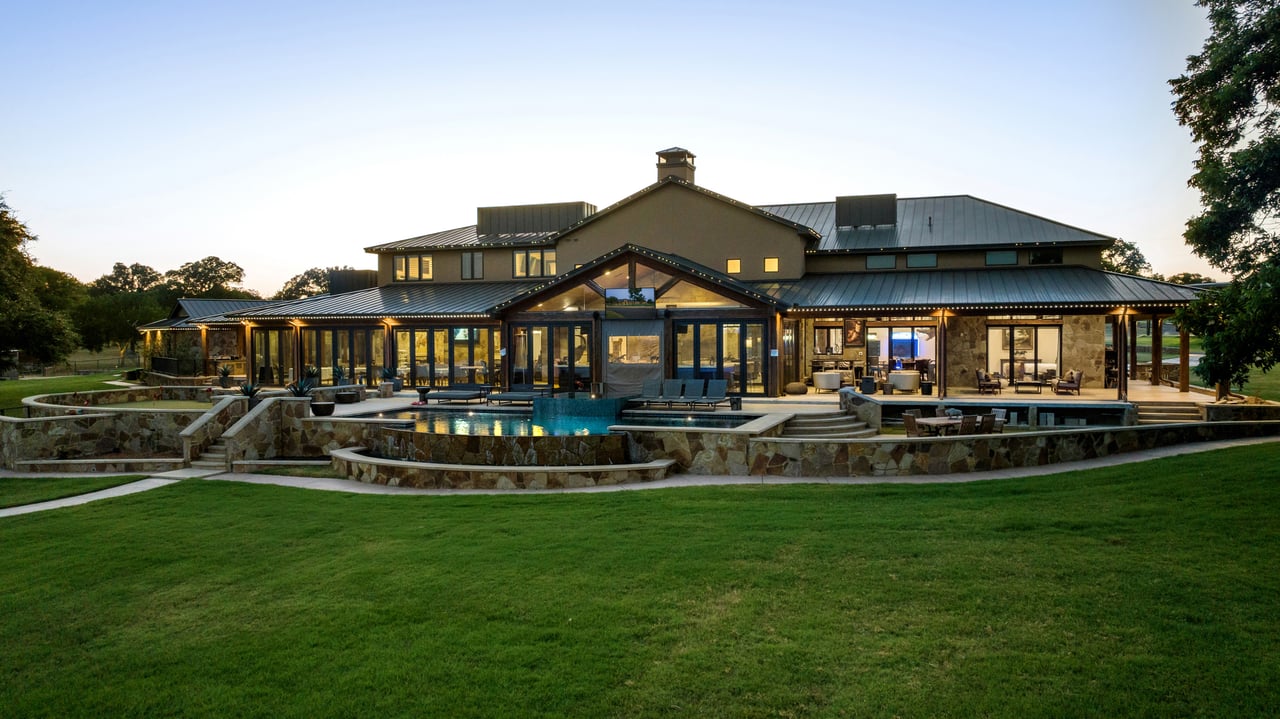
A national magazine wrote up one of my listings this month. Robb Report ran a feature on a ranch I have listed, 1,228 acres in the Hill Country between Marble Falls and Burnet, a little over an hour from downtown Austin. The headline called it a 1,200-acre ranch near Austin on the market for $25.9 million.
I am not writing about it to sell you a ranch. I am writing about it because it raises the question I hear from almost every California family I talk to, once they get past the house itself: that is an hour from Austin? What does land actually look like out there, and what would a version of that look like at a size that makes sense for us?
Most of the answer never shows up in a listing. So let me walk you through it the way I would if you were sitting in my truck.
The ranch sits in Burnet County with about a mile and a quarter of county road frontage and an internal road system that reaches every corner of the property. It ran for years as an exotic hunting and safari destination, and the current owners, who bought it in 2020 as a family refuge during the pandemic, remodeled the existing buildings and added new ones. The lodge sleeps up to 50. More than 40 exotic species have been introduced on the land over the years. If you want the full picture, the Robb Report feature has the photos, and I am happy to walk you through the rest.
I am not telling you this because I expect you to buy it. I am telling you because it is the clearest example I have of something California buyers do not quite believe until they see it: an hour from a city of this size, you can still own land at a scale that simply does not exist within an hour of San Francisco or Los Angeles at any price.
When someone calls me from the Bay Area or LA and says they want land, they usually mean one of three different things, and the right answer depends entirely on which one.
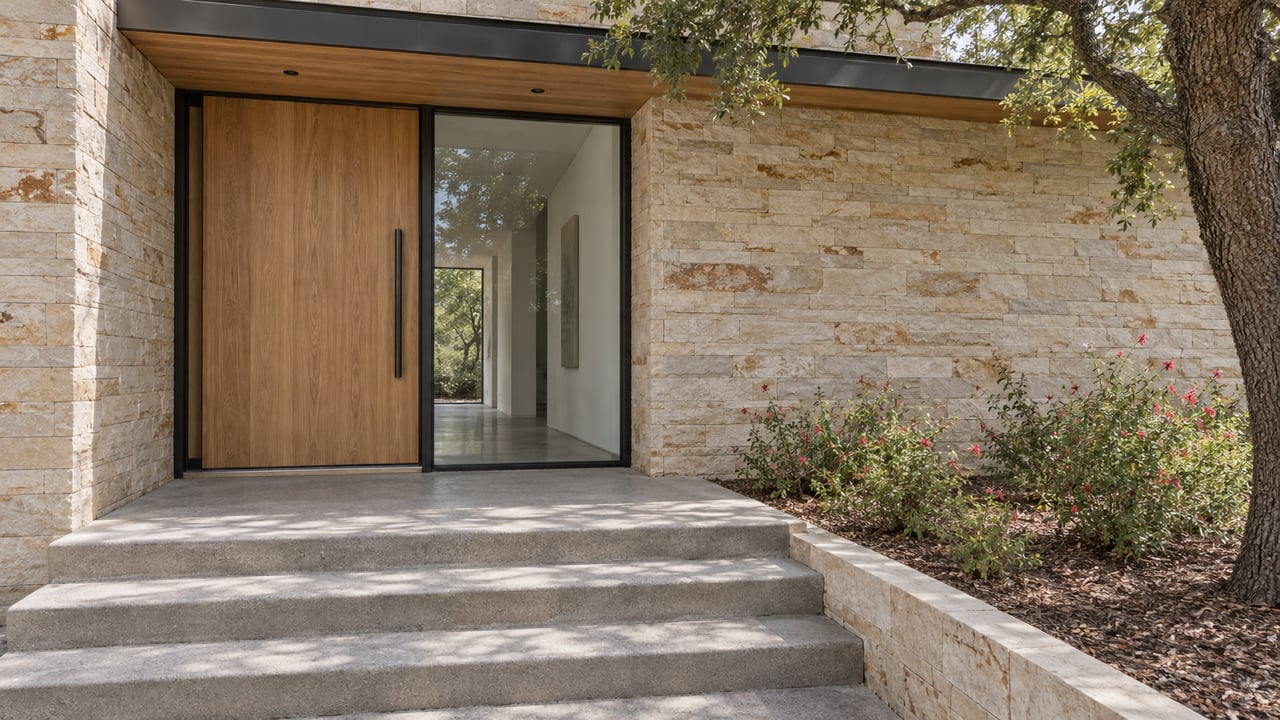
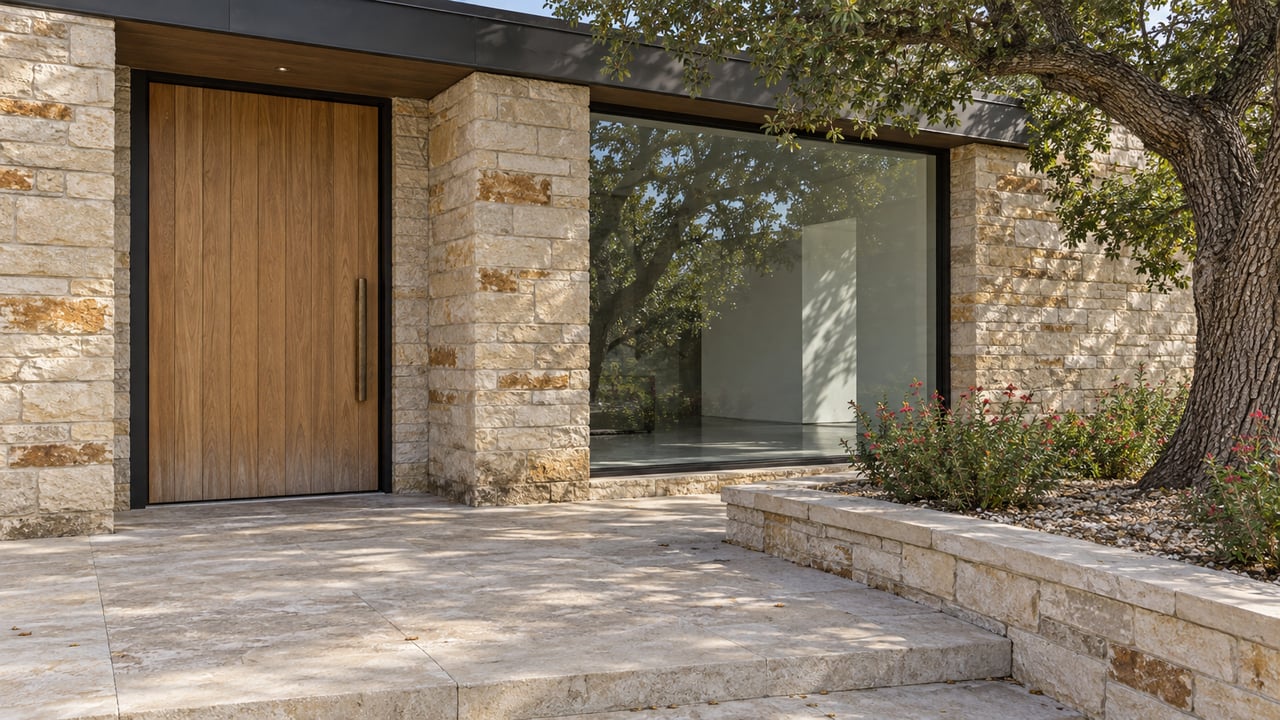
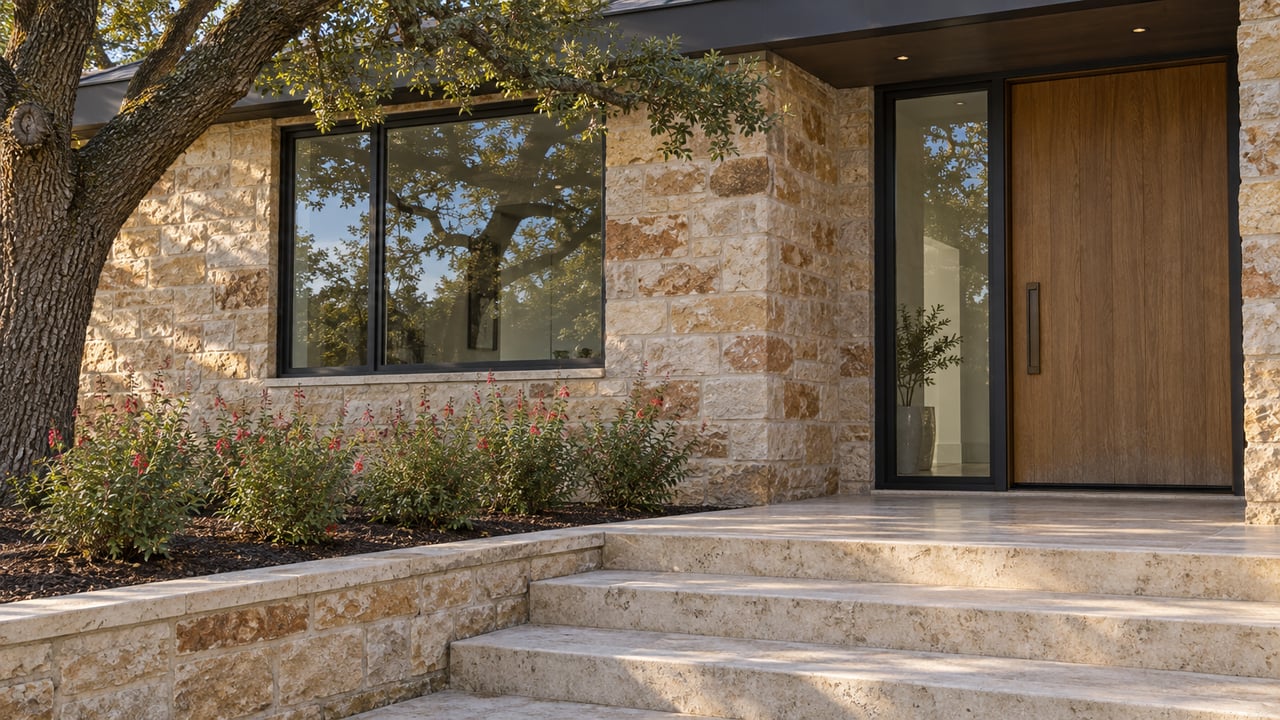
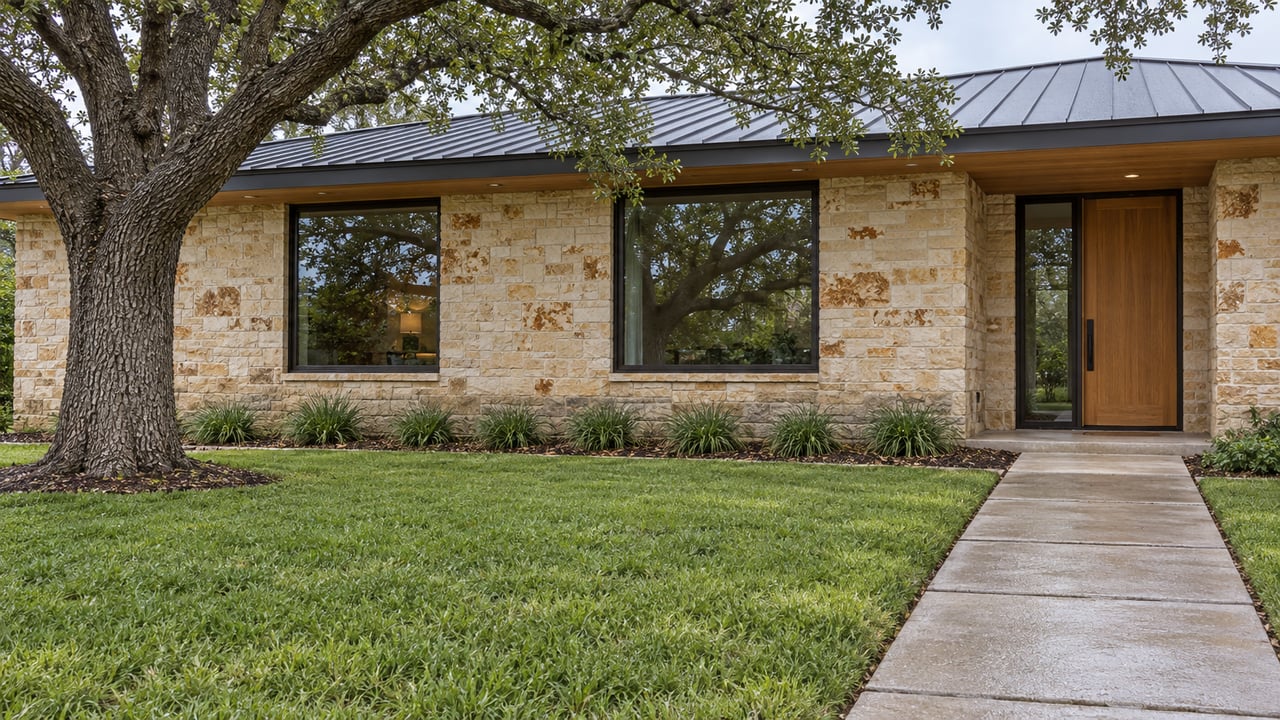
The first is a real lot in town. This is the family coming off a 5,000-square-foot lot in Palo Alto or a hillside parcel in the Palisades who wants a yard the kids can actually get lost in. In Westlake and the surrounding Eanes neighborhoods, an acre with mature live oaks is a normal thing to shop for, not a unicorn. I covered what your equity buys per square foot in the tax article, and the thing that table cannot show you is the dirt. The house might price like a premium address. The lot is where you feel the difference every single day.
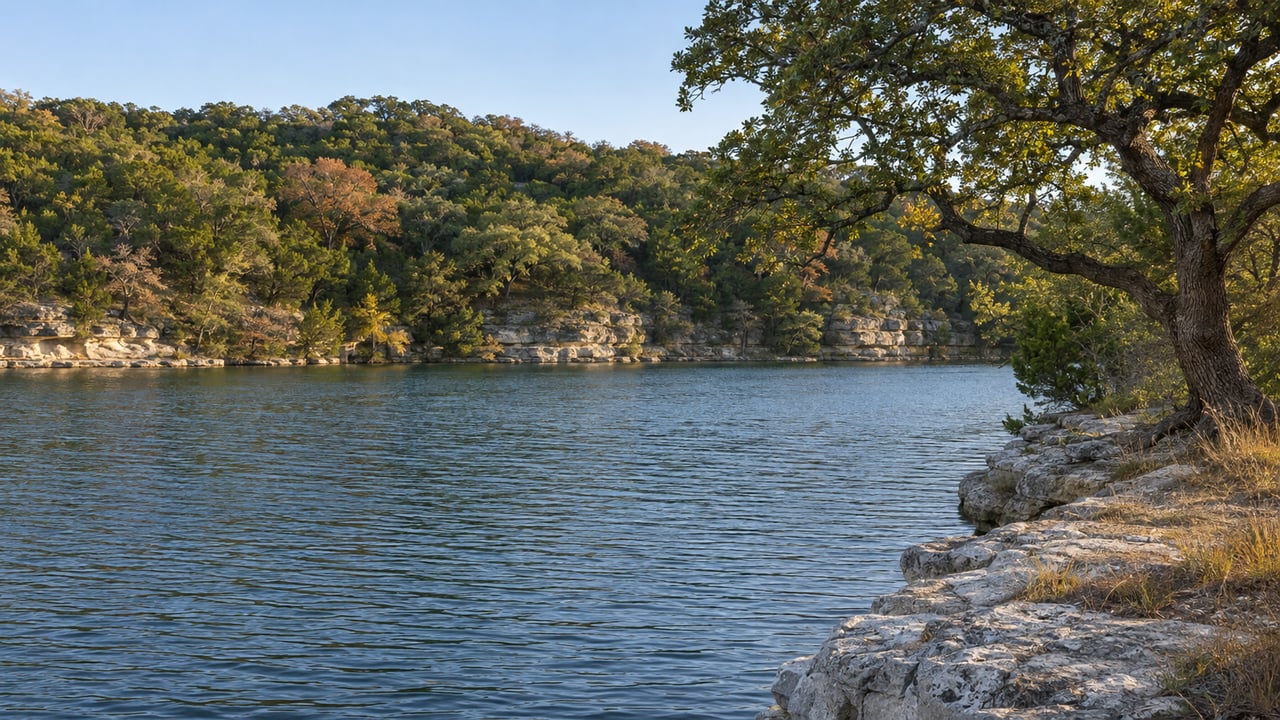
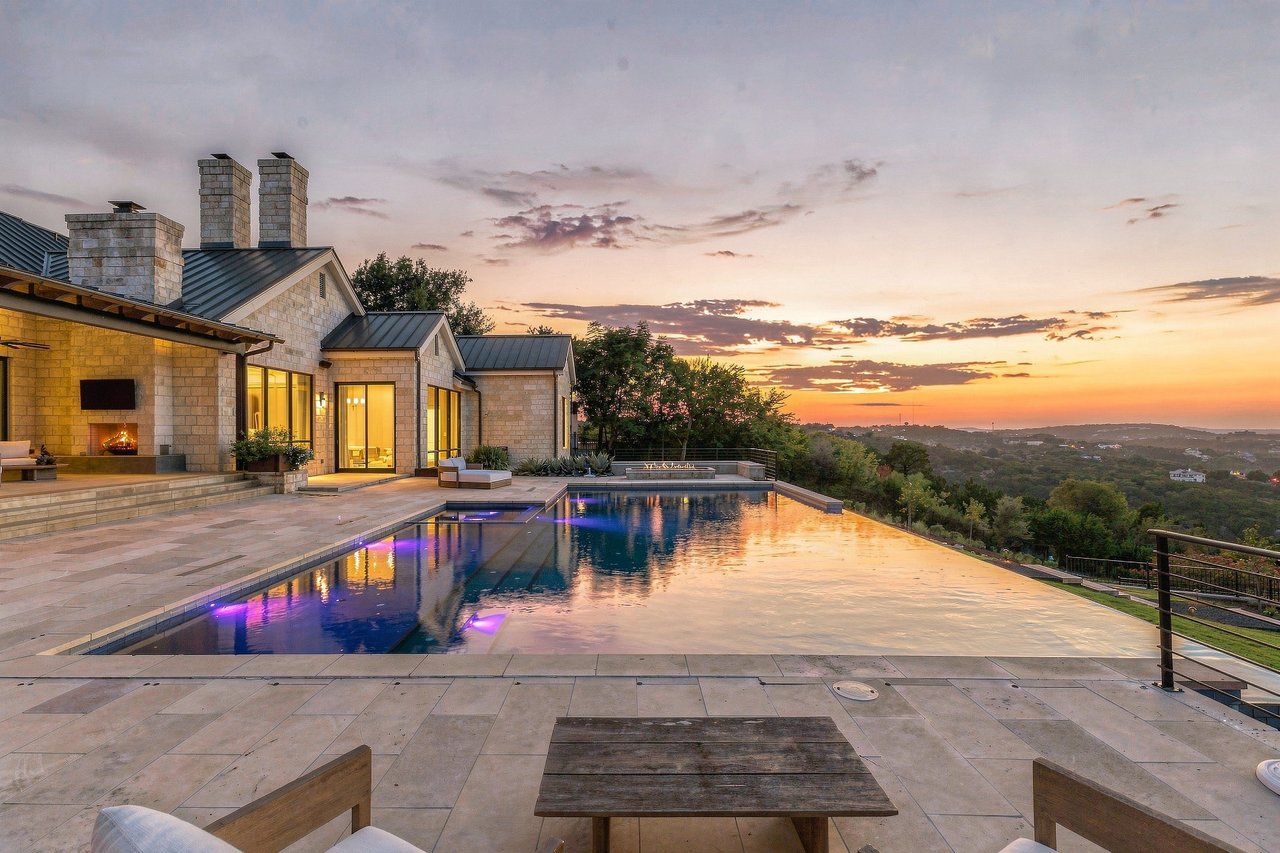
The second is a weekend place. Forty-five minutes to an hour and a quarter out of town, you are in the Highland Lakes and the Hill Country proper: Marble Falls, Burnet, Spicewood, Lake LBJ, Lake Travis beyond the city reach. People buy ten, twenty, fifty acres out here with a house or a cabin and treat it the way a Bay Area family treats Tahoe, except it is a one-hour drive instead of four, and you own the ground under it.
The third is a legacy ranch. That is the tier the Robb Report ranch sits in. Hundreds or thousands of acres, water, game, a headquarters, something you hold for a generation. It is a different purchase with different diligence, and it is the one where having someone local who has done it before matters most.
Most of my California clients end up in the first bucket, a meaningful number end up with a foot in the second, and every so often someone surprises me with the third. All three are real here. Nowhere in coastal California do you get to choose among them inside an hour of your office.
Here is where I earn my keep, because Texas land has rules that a California buyer has never had to think about. None of these are deal killers. All of them are expensive to learn after closing.
Ask how the land is appraised for taxes, and what happens when you buy it. A lot of acreage around here carries an agricultural or wildlife management valuation, which is why the seller's tax bill on a big tract can look shockingly small. That valuation does not automatically travel with the sale. If you keep the land in qualifying use, you can keep it. If you change the use, for example by carving off a homesite or stopping the grazing lease, the county can assess rollback taxes for prior years, with interest. Before you make an offer, we find out exactly what valuation is in place, what it takes to keep it, and what portion of the land, if any, will be taxed at full market value because a house sits on it.
Ask who owns the minerals. In Texas the mineral estate can be severed from the surface, and often has been, decades ago. You can own a beautiful piece of ground and not own what is under it. Usually that changes nothing day to day. Occasionally it matters a great deal. We pull the title work and read it before you fall in love.
Ask about water. Most of the Hill Country is on wells, not city water, and groundwater here is governed by local districts and a long tradition of landowner rights that works nothing like California's system. Surface water, creeks and river frontage, has its own rules. Any serious tract gets a well report, a water quality test, and a conversation about what the district allows.
Ask about access and easements. Road frontage like that ranch's mile and a quarter is a luxury. Plenty of tracts are reached by an easement across a neighbor, and the quality of that easement, legally and physically, decides whether you can get a truck, a trailer, or a fire engine to your house.
Ask about the floodplain, and take the answer seriously. Anyone who was here in July 2025 does not need a lecture on this. The Guadalupe River flood changed how every good agent in Central Texas talks about creek-side and river-side property. A FEMA map is the start of the conversation, not the end of it. I will tell you where I would not build, and I would rather lose the deal than put your family on the wrong bank.
Ask whether you are inside a city, an ETJ, a MUD, or none of the above. It changes your taxes, what you can build, who provides utilities, and sometimes whether you can subdivide later. California families are used to one city and one county governing everything. Out here the map is a patchwork, and it is worth understanding before you sign.
A magazine feature is third-party proof that the work is real, and I will not pretend that does not matter in this business. But when you move somewhere new, what you actually need is a way in. Part of moving is finding your community, your purpose, and the causes you care about, and Austin makes that easier than most places once somebody opens a door or two.
I wrote a whole piece about borrowing my network while you build your own, and the short version is that I stay busy outside of real estate. Every December, Cordonate, the no-overhead nonprofit I run, throws a Christmas party where kids in foster care are celebrated and go home with gifts from their own wish lists. If you want a place to plug in when you land, I can usually put you in a room with the people doing the work. It is the same network I put behind every family I help move here, whether they are buying an acre in Westlake or a thousand in Burnet County.
Decide which of the three kinds of land you actually mean. Be honest with yourself about drive time, because an hour on a Friday evening is not an hour on a Tuesday morning. Then call me, tell me what you are selling and roughly what you want to end up with, and I will tell you what that buys here and what the diligence looks like. If it is a Westlake lot, we can walk it this week. If it is acreage, we start with the appraisal district and the title company before we ever start the truck.
I was born and raised in Westlake, I have been selling on this side of Austin since 1997, and I have never handed a client off to someone they have not met. You get me.
Read the California to Austin relocation guide if you have not, or the answers to the questions California buyers ask me most, or the tax math piece if you want the numbers. Or skip all of that and call or text me at (512) 751-2673. No script, no pressure, and a straight answer about what an hour from Austin can really hold.
It depends on what you call real. An acre or two with mature trees is available inside the Eanes school district, fifteen minutes from downtown. Ten to fifty acres starts about forty-five minutes out in the Hill Country and Highland Lakes. The ranch in the Robb Report feature, at 1,228 acres, is a little over an hour from downtown, which is why the magazine called it a ranch near Austin.
Often no, if the land qualifies for an agricultural or wildlife management valuation and you keep it in that use. The homesite portion is taxed at market value. The rules on keeping the valuation, and the rollback taxes if you lose it, are the first thing I check on any acreage, before price.
Not automatically. The mineral estate is frequently severed from the surface in Texas. We read the title commitment and the deed history before you make an offer so you know exactly what you are buying.
Usually not. Most tracts rely on wells and groundwater districts, and some on rainwater collection. Any acreage purchase I handle includes a well report and a water test.
Both. The ranch in the Robb Report feature is my listing, and I work with buyers across the range, from a Westlake lot to a legacy ranch. The diligence is different at each scale, and I will tell you which parts you can handle yourself and which parts need a specialist.
Stay up to date on the latest real estate trends.
Relocation
Relocation
Cord prizes trust. His clients trust him to value and protect their real estate investments. And how’s this for a bonus? He is fun to work with because he loves his work. Whether representing an A-list celebrity or Austin executive, Cord personifies Texas’ entrepreneurial spirit: Play hard. Have fun. Work harder.
CORD SHIFLET
EMAIL US: [email protected]
CALL US: (512) 751-2673
3825 Lake Austin Blvd., #501 Austin, TX 78703