Travis Heights Lifestyle Guide for SoCo-Area Living
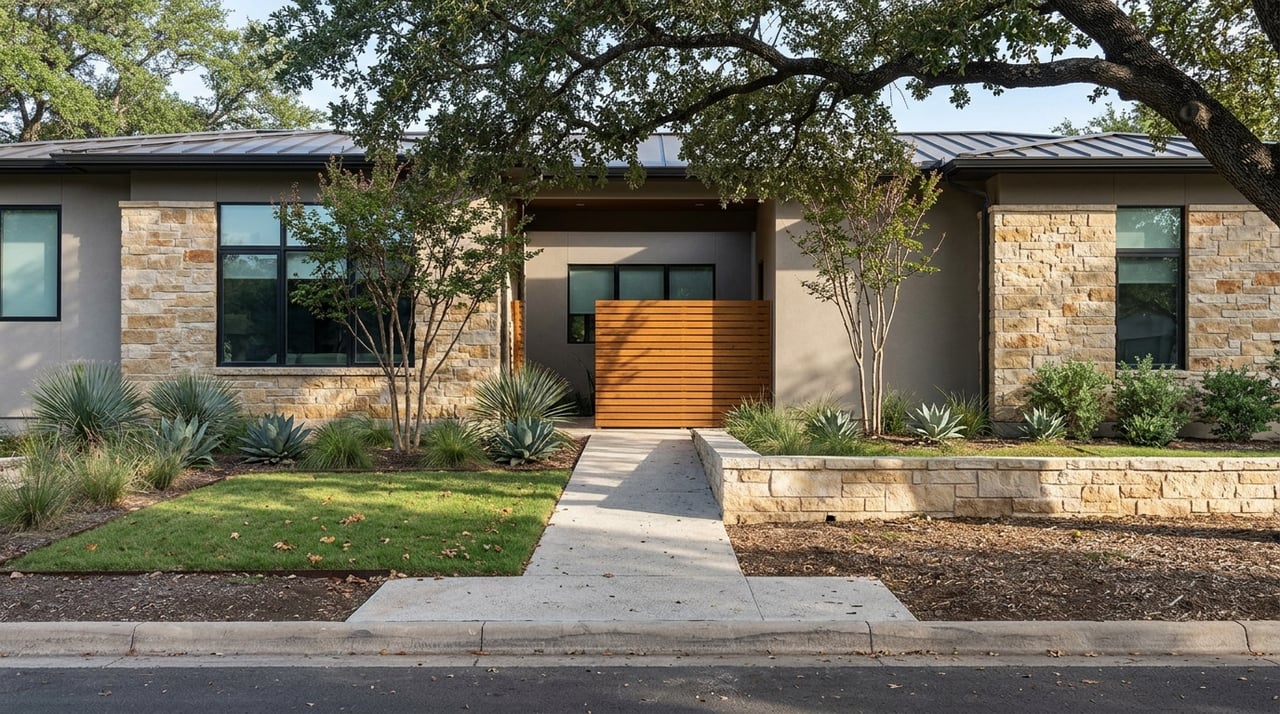
If you want a neighborhood that feels rooted in old Austin but keeps you close to the city’s energy, Travis Heights stands out fast. You get historic character, green space, and easy access to South Congress and downtown, all within one of Austin’s most recognizable south-of-the-river settings. For buyers who care about both lifestyle and location, this neighborhood offers a rare mix of charm and convenience. Let’s dive in.
Travis Heights is one of Austin’s signature historic neighborhoods, and that identity is not just marketing language. The Travis Heights-Fairview Park Historic District was added to the National Register of Historic Places on July 30, 2021, reflecting the area’s long-standing importance in Austin’s development.
The neighborhood began taking shape in 1913 under General William Harwood Stacy and his sons. Early planning included both curving and grid streets, a range of lot sizes, and a residential vision that still influences how the neighborhood feels today.
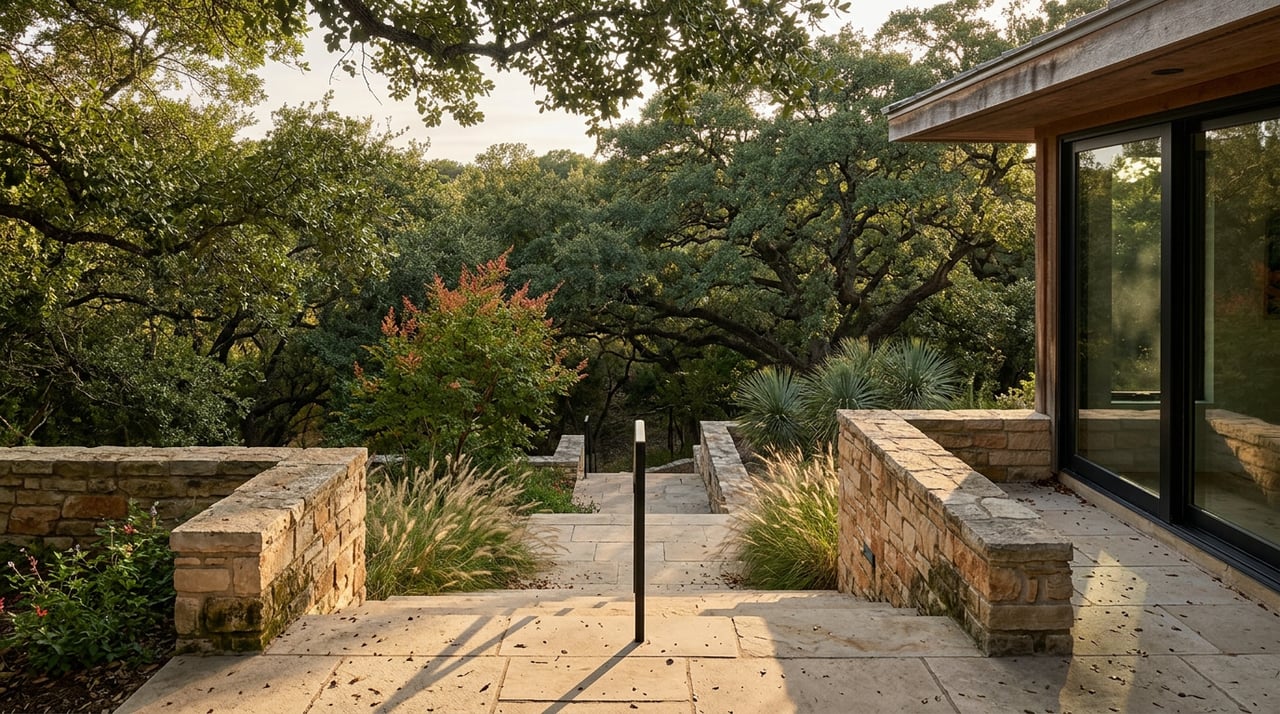
That history shows up in the streetscape. Rather than a uniform subdivision, Travis Heights feels varied, layered, and visually interesting, with hillsides, winding streets, wooded areas, and creeks shaping daily life.
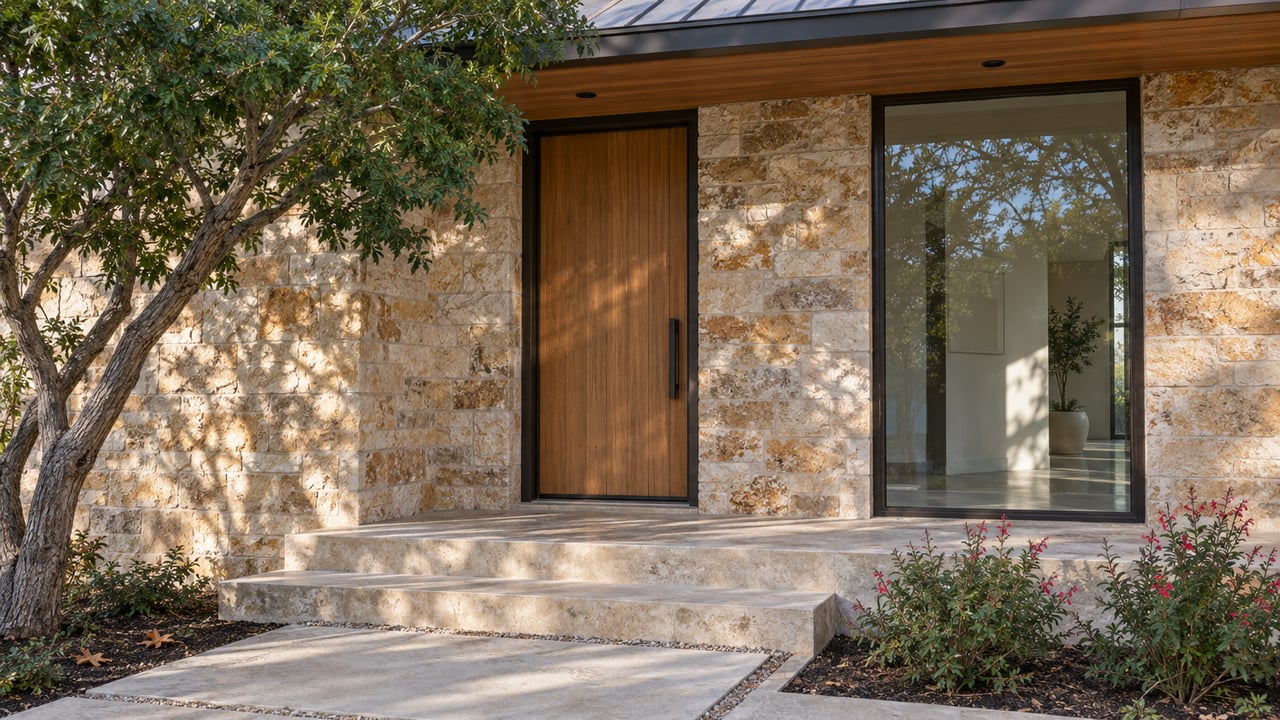
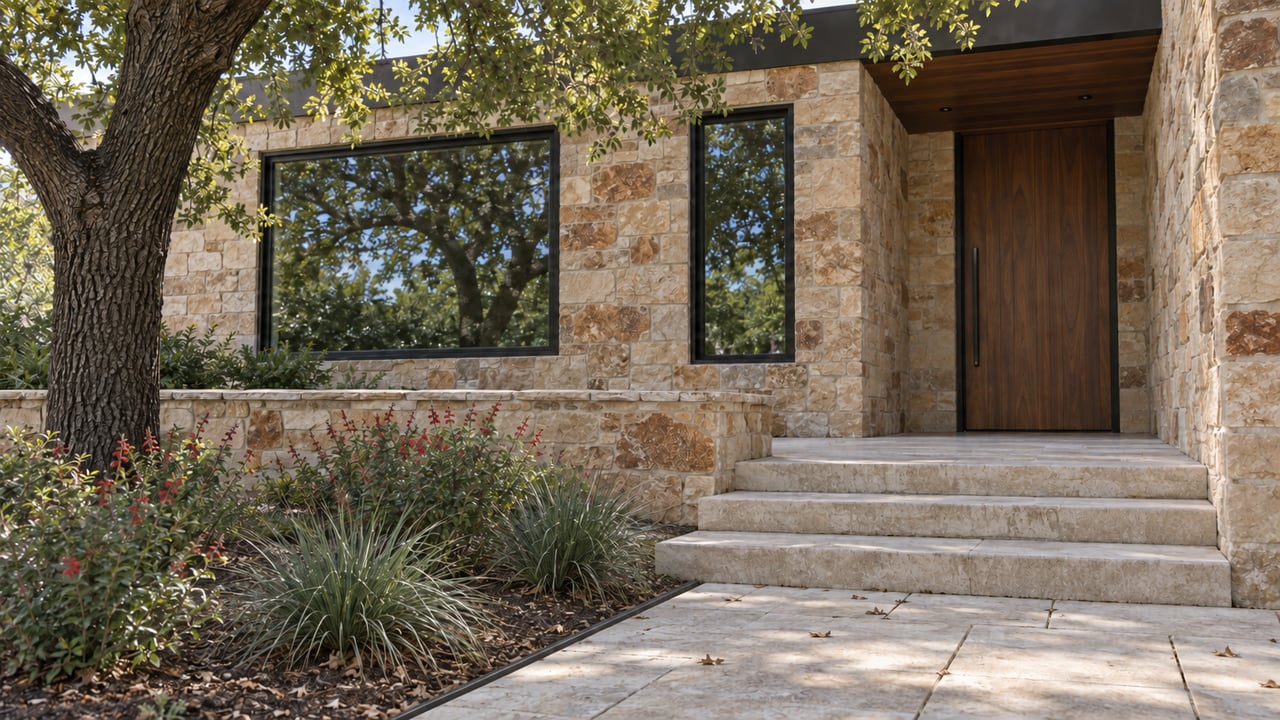
One of the biggest draws in Travis Heights is its housing stock. According to neighborhood history materials, the area contains Austin’s most diverse collection of historic architectural styles, ranging from late-1880s Victorians to 1970s Mid-Century Modern homes.
For you as a buyer, that means the neighborhood offers personality at almost every turn. Some homes feel intimate and modest, while others sit on larger sites with broader views and a more estate-like presence.
This variety is part of what gives Travis Heights lasting appeal. It does not read like a repetitive development. Instead, it offers a more curated, character-rich experience that many buyers find hard to duplicate in central Austin.
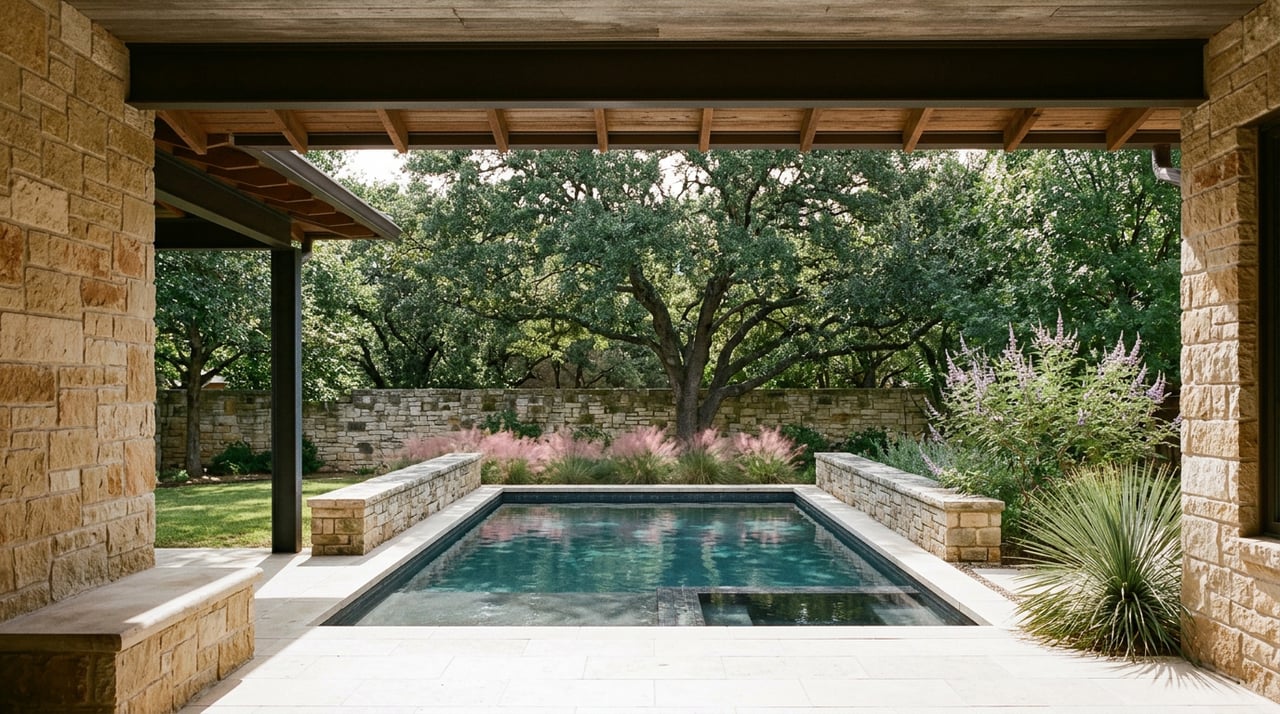
Outdoor access is a major part of life in Travis Heights. Blunn Creek runs through the center of Big Stacy Park and Little Stacy Park before emptying into Lady Bird Lake, giving the neighborhood a greener, more natural rhythm than many close-in areas.
Big Stacy Neighborhood Park is about 4.46 acres, and Little Stacy Neighborhood Park is about 6.78 acres. These neighborhood parks add everyday convenience for anyone who wants a quick walk, time outside, or a break from the pace of the city.
The area also includes two free aquatic amenities managed by the City of Austin. Big Stacy Pool is a free outdoor pool, and Little Stacy Wading Pool is a free seasonal outdoor wading pool with shade, benches, and an outdoor shower.
Recent city improvements at Little Stacy support the neighborhood’s usability and comfort. Updates have included new walkways, security lighting, safer playground surfacing, a new slide, updated tennis court surfacing and lighting, and ADA restroom upgrades.
For many buyers, access to the Ann and Roy Butler Hike-and-Bike Trail is a major lifestyle advantage. Austin Parks and Recreation describes it as a 10-mile loop around Lady Bird Lake and one of the city’s most recognized and popular recreation areas.
The trail draws more than 2.6 million visits a year, which speaks to how central it is to daily Austin life. Whether you like walking, running, or cycling, living near this trail system can make outdoor activity feel less like a weekend plan and more like part of your routine.
The south-shore boardwalk also closed a 1.3-mile gap in the route and functions as an alternative transportation path through the urban core. In practical terms, that helps connect recreation, mobility, and downtown access in a way few neighborhoods can match.
Travis Heights sits just steps from South Congress, often called SoCo, and that proximity shapes the neighborhood’s day-to-day appeal. South Congress serves as the area’s main commercial backdrop, giving residents close access to restaurants, shops, and a highly active corridor.
The City of Austin’s South Congress Combined Neighborhood Plan describes the avenue as a corridor intended to become more vibrant, accessible, and pedestrian-friendly. The plan also anticipates a greater variety of restaurant and retail opportunities, along with more street trees and mixed-use development.
For you, that means Travis Heights offers a residential setting with easy access to one of Austin’s best-known destination corridors. You can enjoy neighborhood calm and still stay close to the energy and convenience that define central Austin living.
Location is one of Travis Heights’ strongest advantages. The neighborhood sits within City Council District 9, which includes both Travis Heights and Downtown Austin.
That geography matters because downtown access here feels direct, not distant. Congress Avenue serves as the central spine between Lady Bird Lake and the Texas State Capitol, making Travis Heights a neighborhood where close-in living is part of the core experience.
For buyers relocating to Austin or simply looking to reduce drive times, that centrality can be a major benefit. You are near key recreation areas, a major retail corridor, and the urban center, all while living in a historic residential neighborhood.
Travis Heights offers a compelling balance of character and convenience, but it is smart to understand the historic context before you buy. The neighborhood’s older homes, established streetscape, and preservation-minded identity can create a more nuanced ownership experience than you might find in a newer subdivision.
One important point is that National Register listing alone does not restrict what a private owner may do. However, the smaller Mary Street Local Historic District does have mandatory design guidelines for construction within that district.
If a property falls within that local historic area, exterior changes, additions, and replacement decisions may require more planning. That does not make ownership harder by default, but it does mean due diligence matters.
If you value historic architecture, established trees, park access, and a central Austin location, Travis Heights deserves a close look. It offers a lifestyle that feels both neighborhood-oriented and city-connected.
It can be especially appealing if you want a home with visual character instead of a one-style streetscape. The mix of architecture, the creekside parks, and the short reach to South Congress create a living experience that feels distinctively Austin.
For buyers seeking an established neighborhood with long-term appeal, Travis Heights remains one of the city’s most recognizable options. Its appeal comes from more than proximity alone. It comes from the way history, design, landscape, and location all work together.
If you are considering a move in Austin and want guidance on neighborhoods that combine lifestyle, architecture, and long-term value, working with a trusted local advisor can make the search far more focused. Connect with Cord Shiflet for tailored insight and a concierge-level buying experience.
Stay up to date on the latest real estate trends.
Relocation
Relocation
Cord prizes trust. His clients trust him to value and protect their real estate investments. And how’s this for a bonus? He is fun to work with because he loves his work. Whether representing an A-list celebrity or Austin executive, Cord personifies Texas’ entrepreneurial spirit: Play hard. Have fun. Work harder.
CORD SHIFLET
EMAIL US: [email protected]
CALL US: (512) 751-2673
3825 Lake Austin Blvd., #501 Austin, TX 78703